
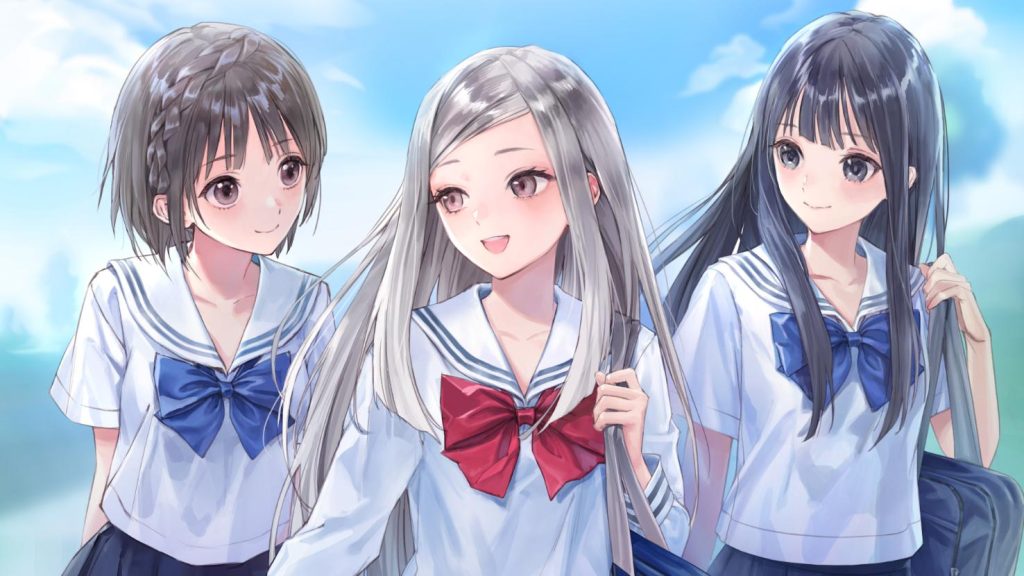
Gust is renowned for its cosy, feel-good Atelier series, but the Blue Reflection series still stands alone as some of their most interesting work, blending the magical girls trope effortlessly with some school life drama. With the arrival of Blue Reflection Quartet on Nintendo Switch 2, we have a total of four titles promising to be the ultimate collection of this yuri-tinged series.
The bundle includes Blue Reflection, its improved sequel Second Light, a compact, interactive retelling of the RAY anime that links the two aforementioned games together, and a reworked version of the previously mobile-exclusive SUN stripped of all its gacha-style mechanics and made more into a ‘real’ game. Now, the real question is, how well do these four games work together as a package, and should you pick them up?
The strength of this collection ultimately relies on how its interconnected stories unfold. Here’s a brief overview of each title: –
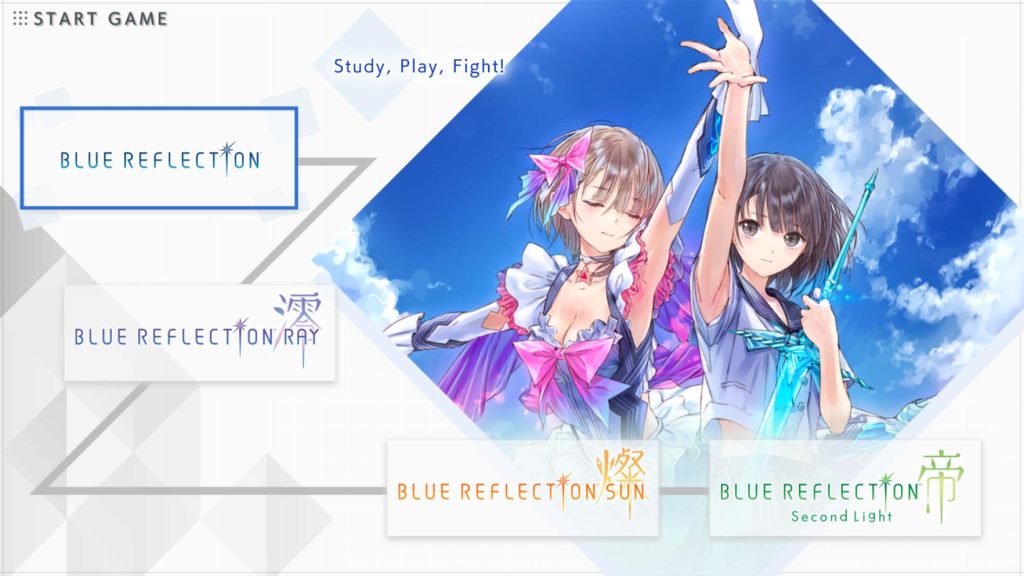
BLUE REFLECTION
Blue Reflection is set primarily in Hoshinomiya Girls’ High School, where you play as Hinako, a new student freshly transferred after suffering a knee injury which prematurely ended her dreams of becoming an accomplished ballet dancer.
Very soon after arriving, Hinako is informed by her classmates, Yuzu and Lime, that she has the potential to be a ‘Reflector ’, essentially a Magical Girl, much like a Sailor Moon character, with the ability to fight off monsters in a parallel world called the ‘Common’.
Reflectors can enter the Common when a fellow student is suffering from emotional distress and battle monsters, quite literally fighting their demons away to restore order.
Occasionally, colossal monsters known as Sephirot will break through and threaten the real world, and it’s soon revealed to Hinako that defeating all of them would give her the ability to grant one wish. With this revelation that she could fix her broken knee and return to ballet, Hinako decides to continue onward and defeat all the Sephirot.
BLUE REFLECTION RAY
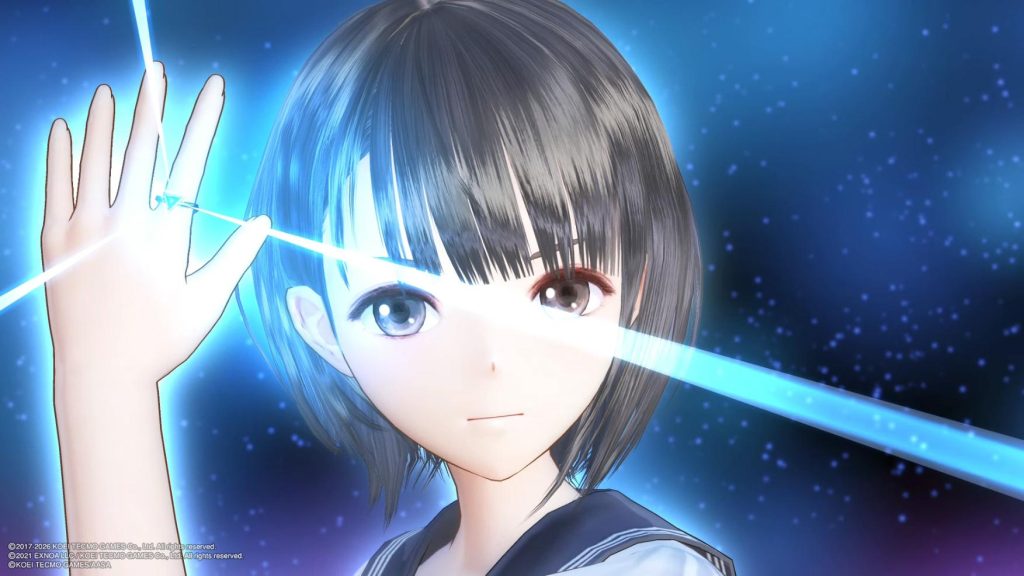
Blue Reflection RAY is a condensed retelling of the series’ anime of the same name. It will only take you around an hour or so to get through and is not really a game per se. There’s no fighting, and it merely serves to introduce a few characters in BLUE REFECTION: Second Light. A lot of the story is told in the in-game engine, but often they will cut to stills of the anime for context. Overall, I’d say it does a good enough job of setting things up for Second Light, but I feel like it’s a little wrong to call this its own game.
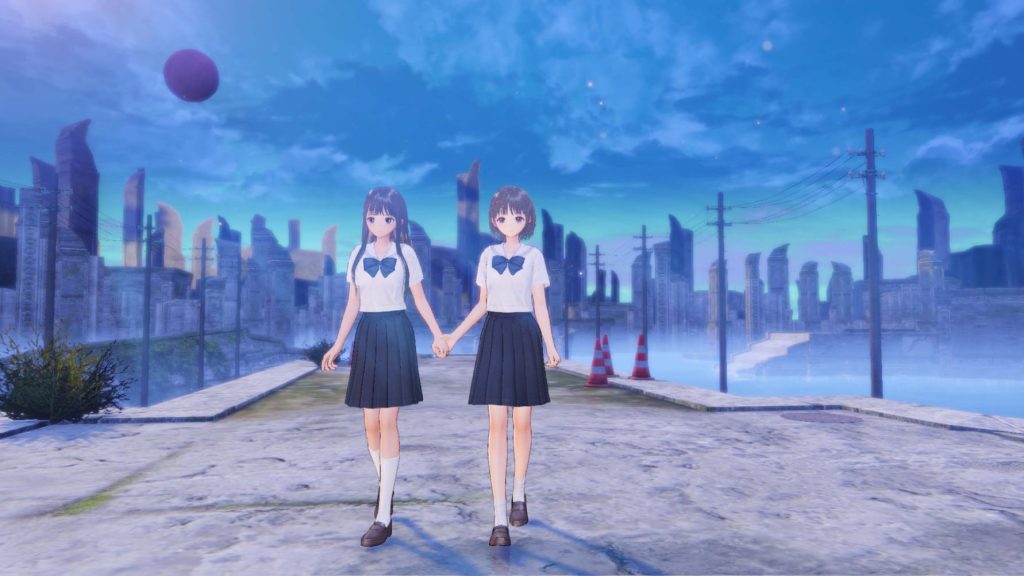
BLUE REFLECTION: Second Light
Second Light focuses on Ao, a teenage girl who is trapped on a small island out at sea with nothing on it but an academy and a group of similarly aged girls, all of whom have amnesia.
The girls band together to unravel the mystery of why they are there and just who they are. As the game progresses, the girls receive a message on their phones from a ‘ReSource’ warning of a world called the Faraway and the demons that reside there. Slowly regaining their memories and unlocking their potential as Reflectors, the girls explore parallel dimensions known in Second Light as Heartscapes.
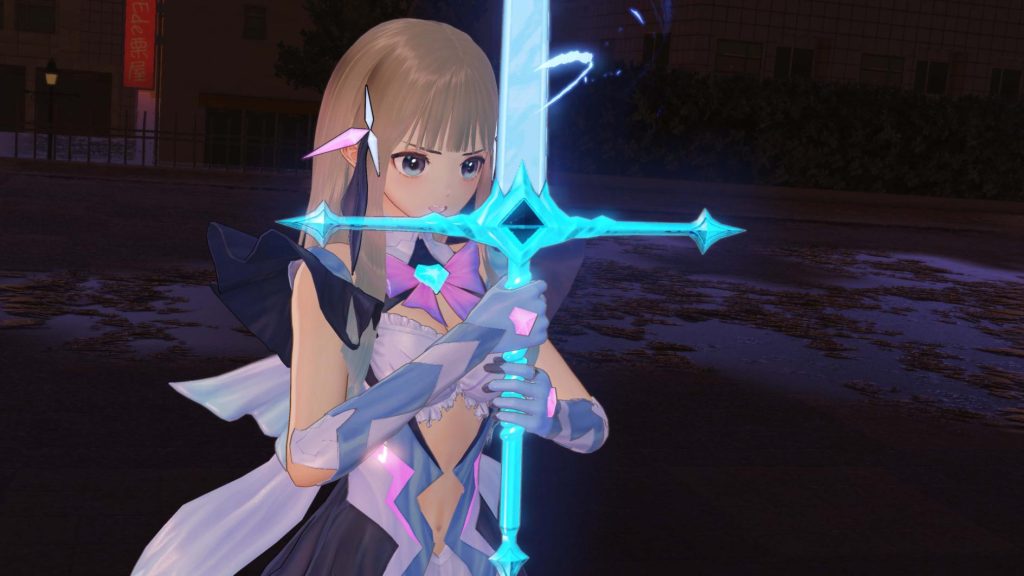
BLUE REFLECTION SUN
was originally released as a short-lived, free-to-play gacha-style game for iOS and Android back in February 2023, being discontinued a mere 15 months later in May of 2024.
This new version is a reworking of that mobile game and, unlike RAY, actually has some gameplay to it. Considering the series heavy leanings into yuri territory, I really feel they fumbled the ball in terms of story by having you play as a male silent protagonist, which kind of steps away from what the rest of the series is all about.
As the group leader, you are in charge of the ‘weakest squad in history ’, and your job is to train them to fight against the ‘eroded ’ monsters made by the sinister Ash that is engulfing the world. As it is taken from the mobile game, the characters’ stories are really condensed with minimal downtime in between. I’m guessing this would be because of how content was trickled out during those 15 months.
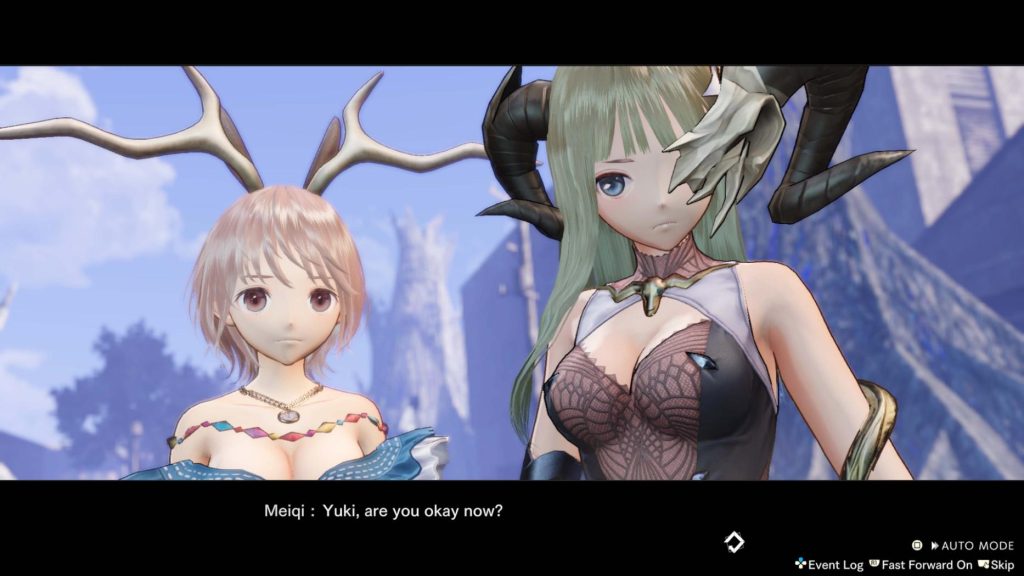
Gameplay
If you ever played one of the modern Atelier games from, say, Atelier Sophie onwards, you’ll feel a lot of the same general game design ‘DNA’ at work. In fact, the original PS4 & Vita release of BLUE REFLECTION was the last game released in Gust’s “Beautiful Girls Festival”, which was part of a trio including Nights of Azure 2 and Atelier Firis.
The games are quite story-heavy, and you’ll spend your time getting to know the other girls during the school day, which feels like a diet version of the Persona series confidant system but much more watered down. As the day goes on, you’ll usually get some small amount of choice as to how you want to spend your time, but events do unfold after a certain number of in-game days.
The first game, in particular, does a fantastic job of pacing by introducing Hinako and, by extension, the player to each of your classmates, with many having their own mini-Arcs in the story.
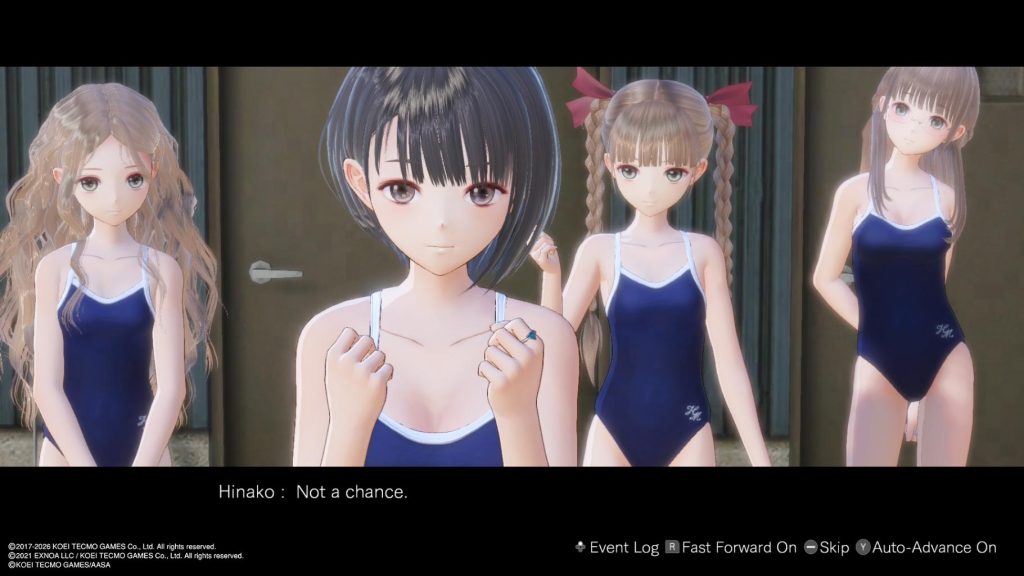
The real gameplay starts when you find a distressed classmate and enter the ‘Common’ and finally get some demon hunting done. The turn-based RPG system used to fight the enemies is pretty good, and you can delay enemy attacks if you use the right combination of attacks, ensuring your party can deal as much damage as possible. After clearing an area in the Common, you’ll usually find a fragment which lends a trait from the classmate. Fragments can be equipped or slotted into your various move sets, allowing for additional damage, a buff or healing when that particular skill is used. It’s a nice system, and by the late game you end up with a ton of fragments.
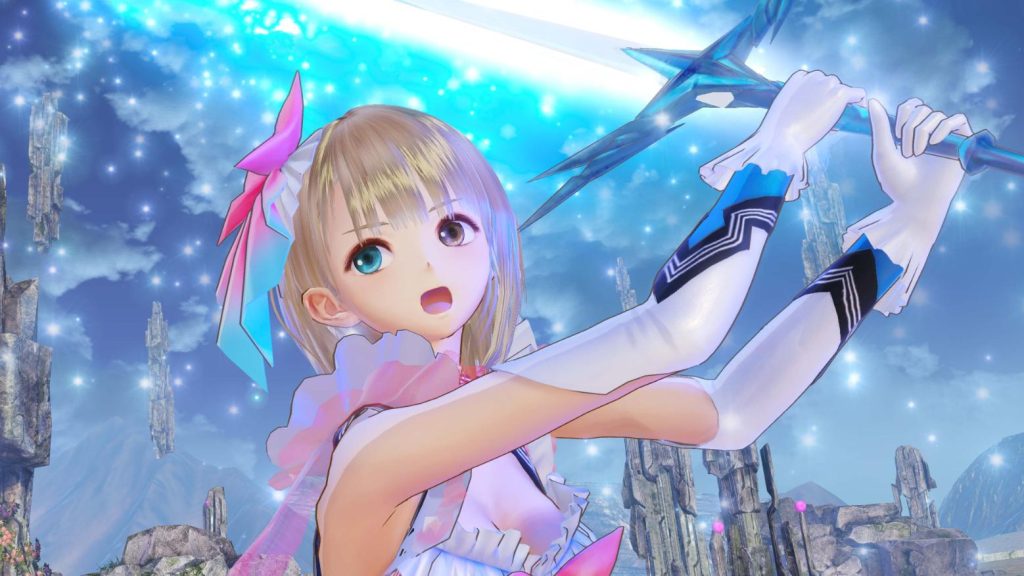
Second Light mixes things up with the battle system being much quicker; in fact, it was a little jarring coming directly from the first game to this new, faster-paced system. The character interactions and bonds from the first game are still intact, along with a few new features nodding to the Atelier series with the inclusion of foraging and item crafting. Out of all the games in this collection, Second Light feels the most well-rounded, and the battle system is quite the improvement overall.
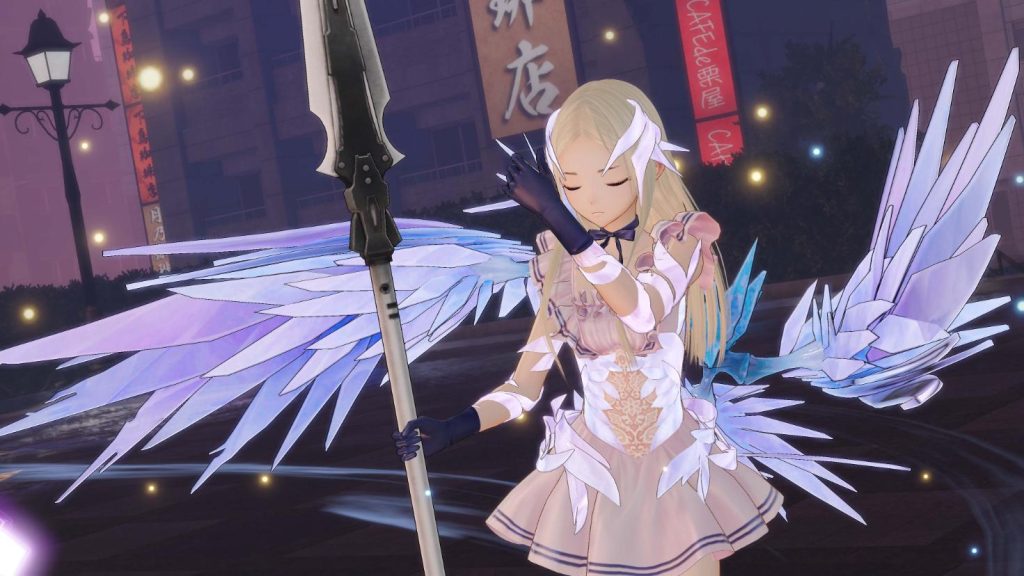
SUN is very short, but they’ve done a decent enough job ‘consolizing’ a mobile game, and they even implement Second Light’s battle system, but the interactions with the numerous girls and their stories feel a little rushed at times, and the game doesn’t tend to have the same kind of atmosphere as the first game or Second Light.
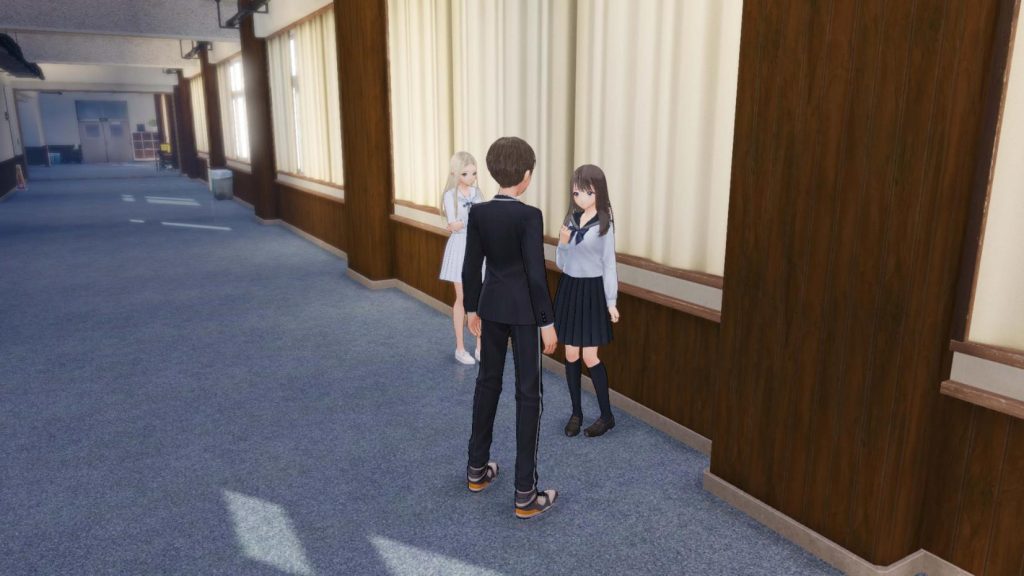
Aside from the game mechanics, now included are universal settings options allowing speeding up dialogue and gameplay by up to 2x speed and the inclusion of a dash button for all games besides the first. From the main menu and comprehensive reference guide can be found, which fills out more as you play the games, is a nice addition and something I believe die-hard fans will enjoy a lot.
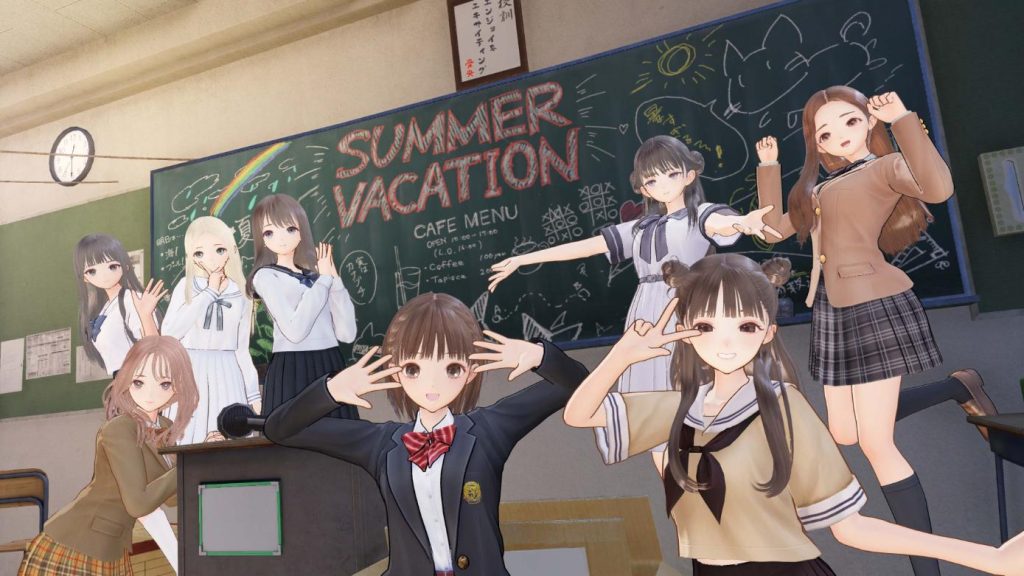
In terms of the technical side of things, overall everything played pretty nicely on the Nintendo Switch 2. I spent the majority of my time in handheld play as the games seem to run great apart from a couple of issues I had with the first game.
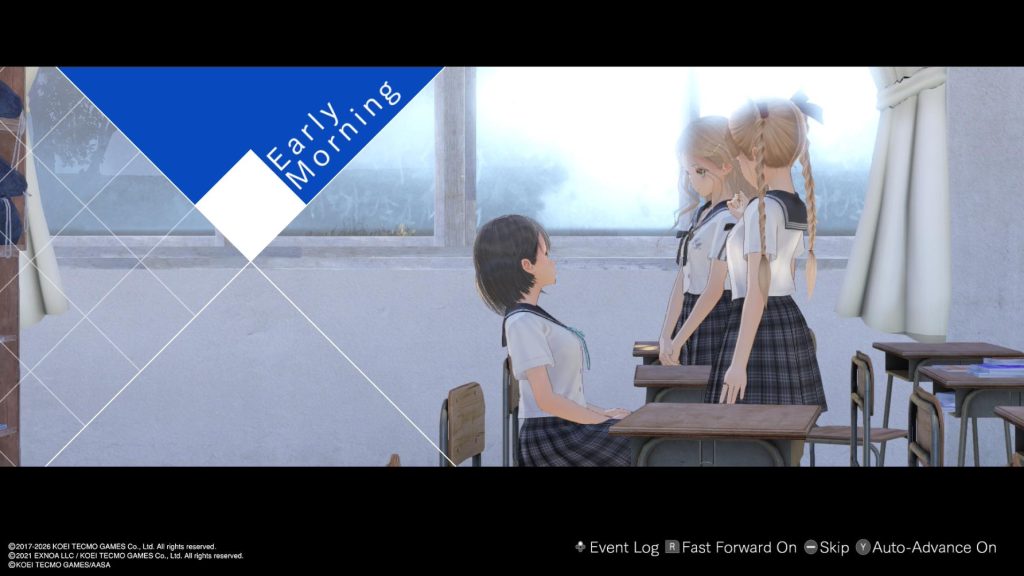
Blue Reflection’s cutscenes seem sluggish and run a very odd and sometimes surprisingly variable frame rate, which is a shame as there are a ton. And this doesn’t just happen when there’s a lot of action going on in the background; it even happens when it’s just two characters talking in a classroom. It’s not a complete deal breaker, as it’s usually an in-game cutscene with no player input, but it is a bit odd.
Conclusion
BLUE REFLECTION Quartet is a good collection, and you get a lot of content for your money; however, the inclusion of RAY and SUN feels unnecessary, and I would have preferred a bundled collection that included Blue Reflection, Blue Reflection: Second Light and the Anime of Blue Reflection RAY. That said, Blue Reflection and Second Light are worth the price alone, and if you missed out on these gems the first time around, this Switch 2 release is an excellent entry point, especially given how well the games translate to handheld play, minor cutscene framerate hiccups aside. However, if you already have the mainline titles sitting on your shelf, the underwhelming additions of the spin-offs make this collection a rather hard sell.
7
Nintendo Switch 2 review code kindly provided by Koei Tecmo