
Wuchang: Fallen Feathers
Developer: Leenzee
Publisher: 505 Games
Genre: Soulslike ARPG
Release Date: 24th July 2025
Wuchang: Fallen Feathers Review
Wuchang: Fallen Feathers is a Soulslike Action-RPG developed by Leenzee, a Chengdu-based team. Fittingly, the game takes place in a fictional version of China set during the late Ming Dynasty. Wuchang was one of my most anticipated games of 2025. I love Soulslike games, yet many developers seem to struggle with getting them right. The early reveal trailer left me hopeful that we would have some special on our hands here, and after spending 55 hours with the game, I’ve got quite a lot to say!
Story
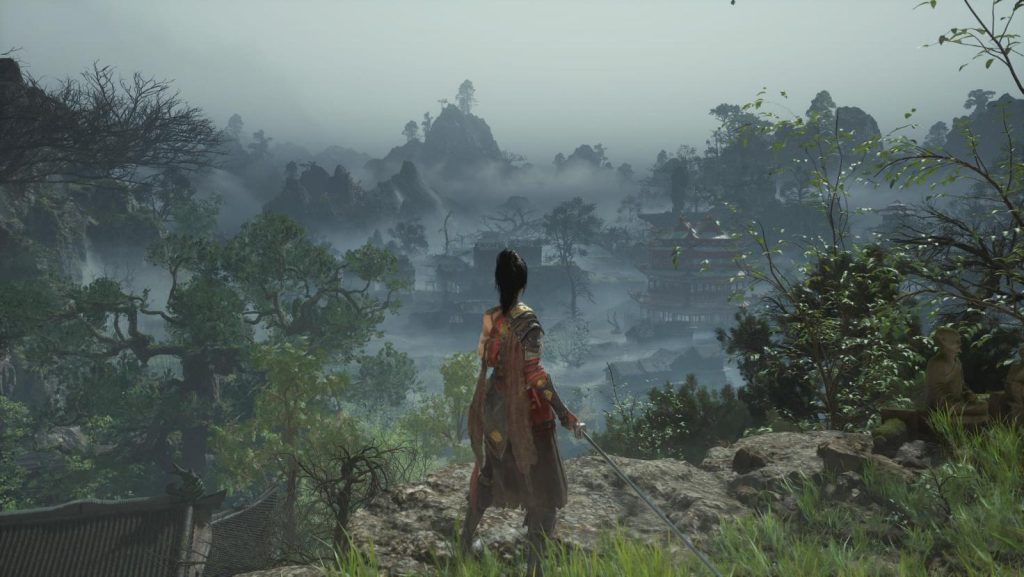
We assume the role of Bai Wuchang, a female pirate with a bad case of amnesia. To make things worse, we soon learn we are afflicted with an illness called feathering, which turns people into crazed monsters, eventually losing their sanity. Upon starting the game, we quickly learn that this supernatural disease has run rampant throughout the lands of Shu, and the people who are left are paranoid and scared.
Most people with the feathering affliction deteriorate quite quickly, but Bai still seems to have her wits about her and sets off across the lands of Shu in search of answers and perhaps a cure. Standing in her way are near-endless amounts of Feathered crazed beasts, along with encampments of the Ming dynasty soldiers who will attack on sight.
Gameplay
Wuchang: Fallen Feathers is about as soulslike as it gets and in a good way! The in-game controls will feel very familiar to anyone who’s played any of FromSoftware’s offerings, and you have all your expected health and Stamina bars, etc.
The core gameplay is what you expect from a Soulslike: a mix of cautious exploration, item collection, battles and of course, death. The same old stamina-based combat makes a return, making even the most unassuming enemy a potential threat.
Each level in Wuchang: Fallen Feathers is massive, and it will take you quite a lot of time to stumble upon a boss in each section. Each region of the game is divided into various sublevels, each usually containing a boss or point of interest, and you can freely move between these areas at any time using one of the many shrines that you can offer blood to. These shrines act very much like how the bonfires or the sites of grace operate in FromSoft game’s giving Bai a quick respite from the action and the ability to recharge Manna vases, which restore health. When you die, Bai will end up back at the last point rested, minus some Red Mercury.
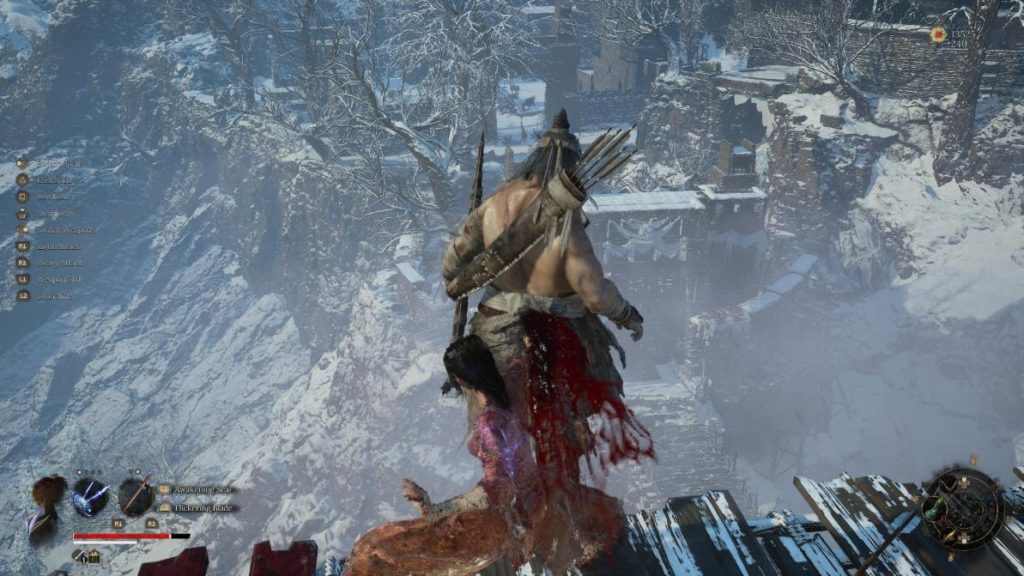
Instead of dropping all your Red Mercury upon death, you drop a percentage, which can be retrieved by going back to where you met your demise. I must quickly mention one of Wuchang’s most unique mechanics: Madness. Bai has an inner demon within her, and the more times she dies, the stronger her madness becomes. Madness is a double-edged sword; the higher your madness, the more damage you output, but also the more damage you receive. Another effect of this is that the Red Mercury you drop upon death may just manifest your inner demon, who will relentlessly pursue you until defeated.
As you progress through the game, you’ll constantly be unlocking shortcuts, which often come as a pleasant surprise. While the world’s interconnectivity is not as vast as Dark Souls, it does save you precious time when running back to challenging boss rooms with most of your healing items intact.
Early in the game, we get access to a system called the Impetus Repository, which is essentially a large set of skill trees, and this is how we level up Bai and make her stronger throughout the game. There’s a total of 6 different paths you can choose to take, and each of them will increase Bai’s abilities with the 5 weapon types you can choose to wield. Long Swords, Short Swords, Dual blades, Axes and Spears can all be equipped and levelled up along with Skyborn Might, a side effect of Bai’s feathering that makes her attacks and abilities much stronger.
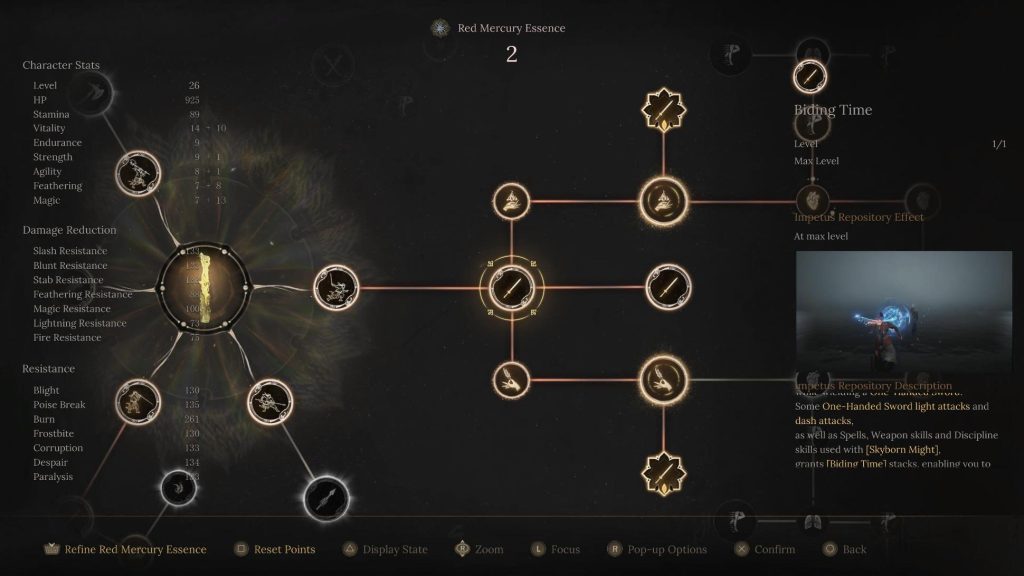
To level up, you’ll need Red Mercury, which is obtained by defeating enemies and is Wuchang’s stand-in for Souls, Blood Echoes, etc. As per usual, each level costs slightly more and slowly starts the gameplay loop of constant and incremental improvement of Bai’s movesets, durability and Strength.
A real neat feature that I almost overlooked was the ability to respec your character at any time. This can be done at any time and doesn’t cost any resources at all. About one third through my playthrough, a certain boss had me banging my head against a wall until I realised I could switch from being a magical shortsword user with little to no strength to an absolute beast, wielding a flaming Long sword and proceeded to steamroll the boss into the ground. The freedom to experiment with different builds is not just a novelty; it seems crucial to overcome certain bosses, and I very much enjoyed it.
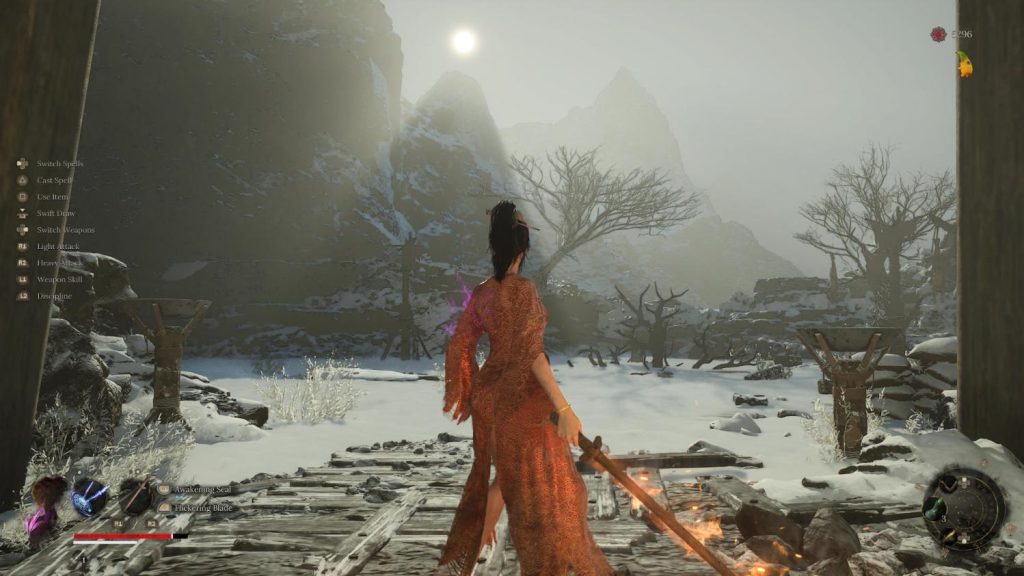
In terms of difficulty, I found Wuchang: Fallen Feathers to be a bit of a mixed bag. Some bosses were brutally difficult, and some were a complete cakewalk. I’m guessing this is probably down to how specced out Bai and what weaknesses and resistances the enemies had. That said, there were at least 4 or 5 bosses in the game that took me well over 10+ attempts to best, and I loved every minute of it. The overall gameplay loop is incredibly addictive and is something you only ever get from the Soulslike genre, and even then, it can often be hit-or-miss if the developer can pull it off, and I’m pleased to say Leenzee has done the genre justice.
If I were to have a very minor complaint, it was the sheer number of enemies (and bosses) who were humanoids. I feel that at one point, I essentially faced off against a pretty woman with some katanas three times in a row, which were excellent battles, but not much in terms of variety. Thankfully, the second half of the game stepped things up, and I was fighting all manner of beasts from giant snake women to a beastly tiger-like creature.
Presentation
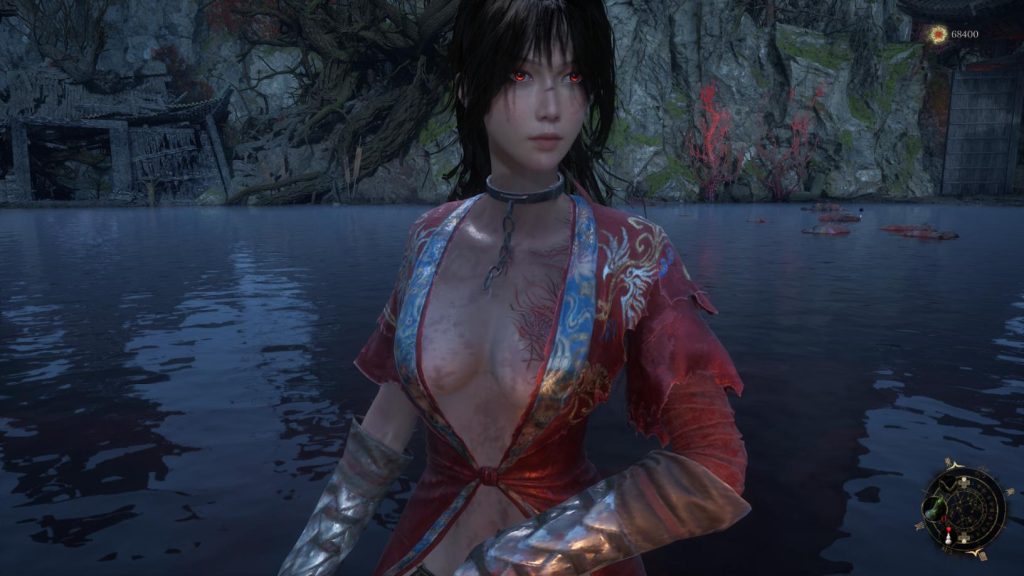
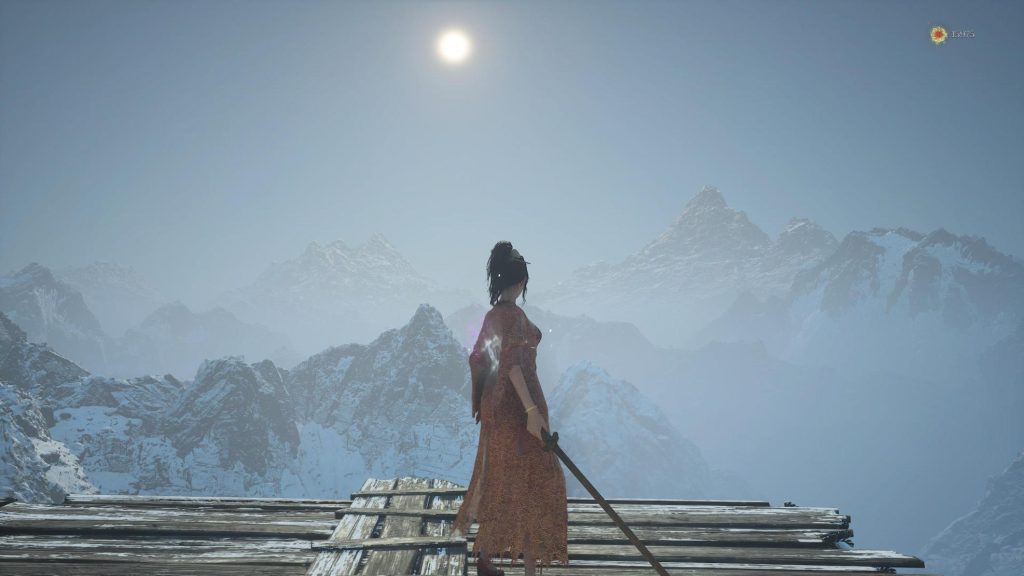
Wuchang: Fallen Feathers looks stunning! Often, I found myself panning the camera to take in all the scenery. These Soulslike-type games tend to favour the drab and dreary, but Wuchang will often surprise you with just how colourful some of its environments are, with leafy green vegetation of the snowy peaks off in the distance that almost look photorealistic.
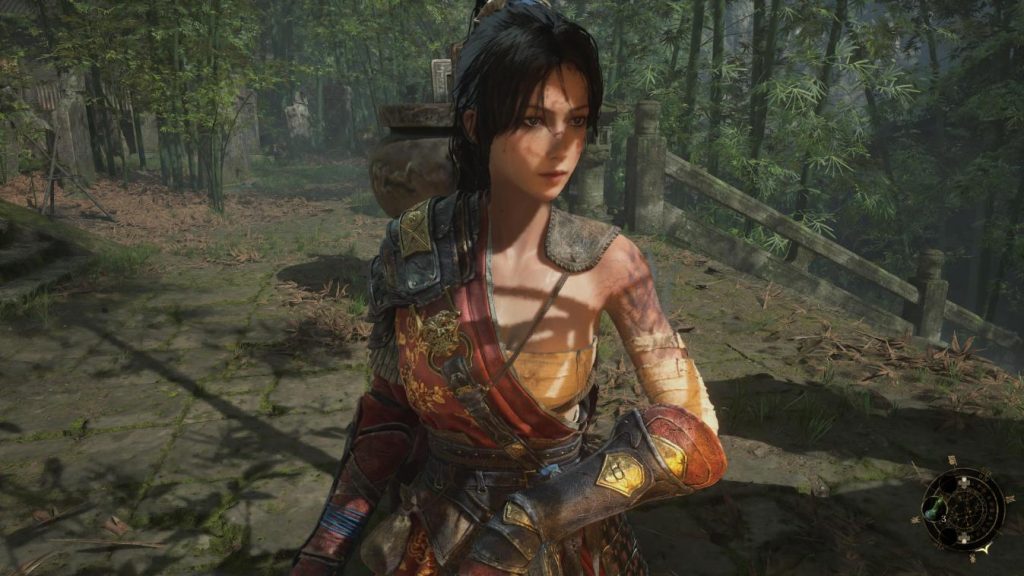
Characters are equally delightful, with many looking quite realistic and in proportion. The sheer amount of accessories and clothing items you acquire throughout the game lets you dress up Bai any which way you see fit, and the developers have even included an ‘alteration’ feature, meaning you can make any piece of armour look like another any time from the menu. You can even do the age-old souls tradition of killing the boss, then wearing their outfit as a trophy.
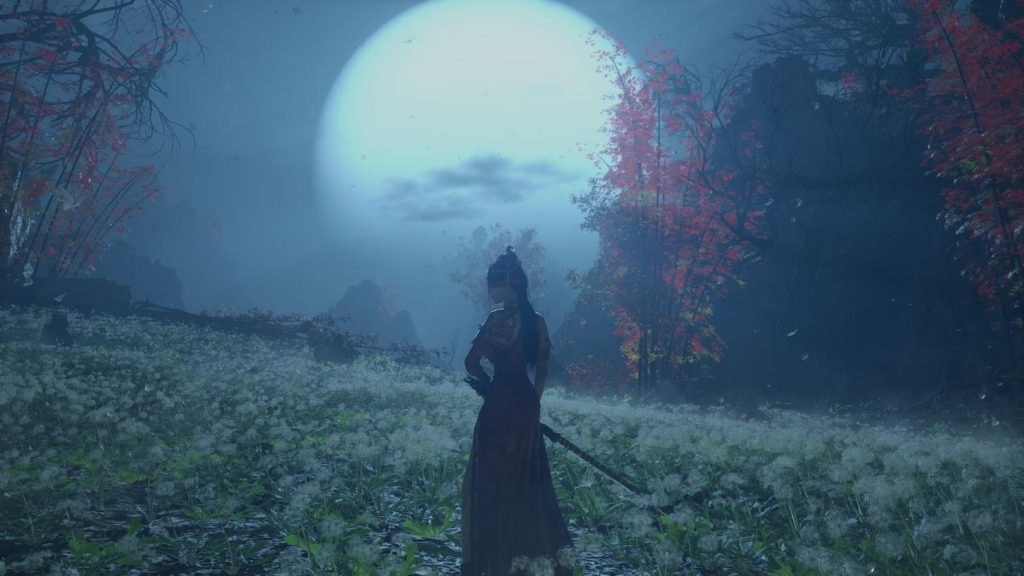
Pretty much every character you will come across has voice acting. You can choose for this to be in English or Chinese, and I have to say, the voice acting is pretty good overall, although I do wonder why so many of them have a sort of non-regional UK style accent.
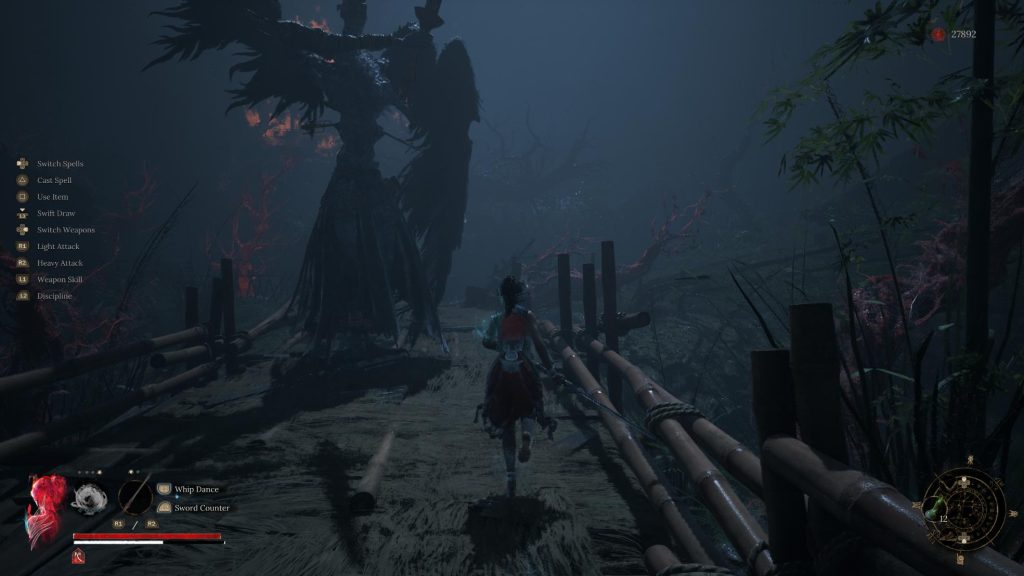
Performance
I was lucky enough to be able to try out Wuchang: Fallen Feathers on both PS5 and PC.
Out of the box, I had quite a bad time with the PS5 version, with screen tearing and generally bad performance in the game’s performance mode. Luckily, this was very easily fixed as Wuchang: Fallen Feathers appears to be one of the few PS5 games that allows you to lock the frame rate, albeit at a slightly lower rate.
The game is fully playable; however, I did experience a fair amount of reduced frame rates and even on occasion, completely freezing for a couple of seconds. This happened to me during quite an intense and crucial boss fight, so it was not ideal (I still won though!). The game feels like it’s struggling to keep up in some of the areas with heavy foliage, which is a shame, as there are a ton of areas like this.
Now, it’s worth mentioning that my playthrough was with a regular PS5 and not the Pro Model, and the game does take advantage of the beefier hardware with specific modes, but I was unable to test them, unfortunately.
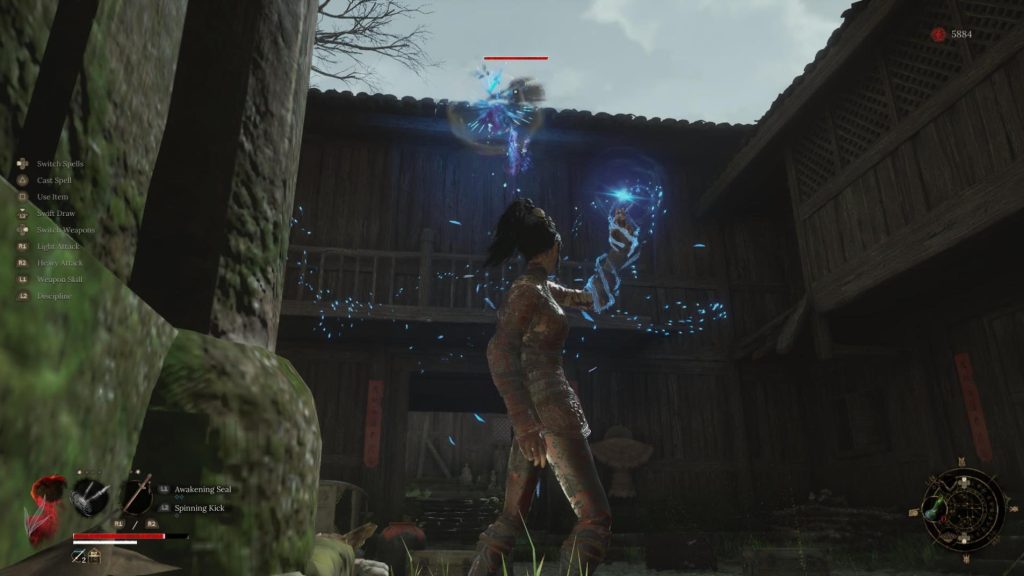
I had zero issues with the Steam version, and the game ran and looked great. It’s a really pretty game overall, especially with settings maxed out, and I had solid framerates the whole time I played. I did test out the game to see if it was compatible with the Steam Deck, and initially, I couldn’t get it working. After an update rolled out, I was able to get the game running using the experimental branch of Proton.
With all settings on low and FSR enabled, I was getting between 22 – 35 FPS. The image quality is pretty bad, and the option for frame generation made the game feel even more laggy and unresponsive. Overall, I would avoid playing Wuchang: Fallen Feathers on the Steam Deck as a game that looks this good deserves beefier hardware, be it console or a higher-end PC.
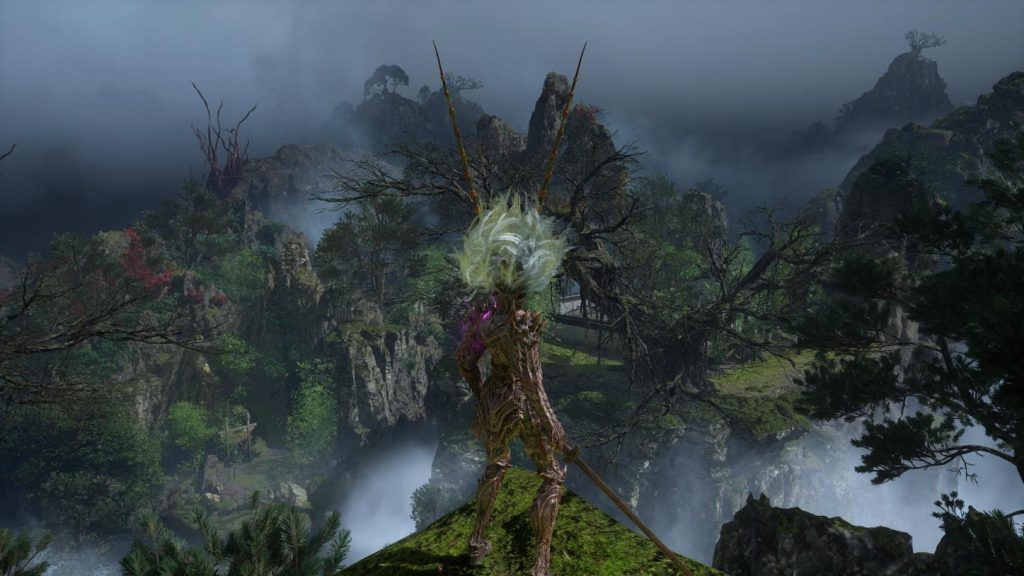
Conclusion
Wuchang: Fallen Feathers exceeded my expectations in pretty much every way. The gameplay loop had me hooked from the get-go, and you can really tell Leenzee has put a lot of hard work into this game, showing a lot of respect for the genre. While there can be a few minor performance issues on the PS5, this never detracted much from my overall experience. The vibrancy of the world was a nice defiance of the standard genre aesthetics, and I really think it paid off well. This is not just a soul’s clone; Wuchang: Fallen Feathers islands tall as an exceptional game and is up there with the likes of Lies of P and even the original Souls games. Don’t sleep on this one!
8.5
Review code kindly provided by 505 Games