
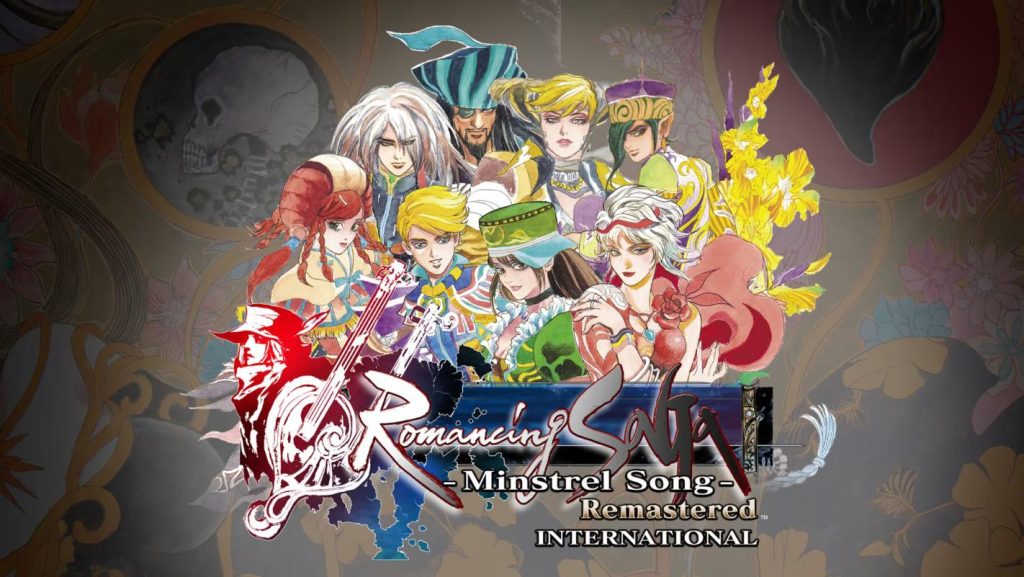
Romancing SaGa: Minstrel Song Remastered International
Romancing SaGa: Minstrel Song Remastered is a reimagining of the Super Famicom Classic Romancing SaGa. More accurately, it’s a remastering of the PS2 3D remake Romanacing SaGa: Minstrel Song and acts as the perfect introduction to the classic RPG series.
You start your playthrough by choosing one of 8 protagonists, each with their own back stories, starting locations and motivations. You see, the SaGa series has been doing the whole multiple protagonist thing a hell of a lot longer than its contemporaries like Octopath Traveller.
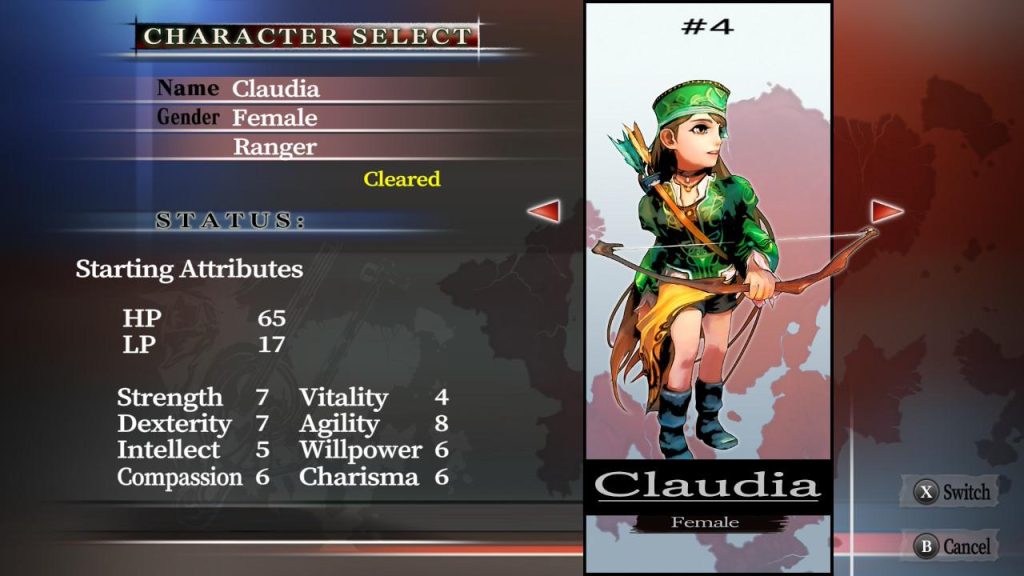
Depending on who you choose, you’ll have access to different areas of the world, although more will unlock as you cross paths with other characters. For this playthrough, I went with Claudia, who starts out in a forest area but quickly unlocks a few nearby towns. Regardless of who you choose, the main story is the same, having you travel across the world of Mardias and eventually taking on the Dark God Saruin.
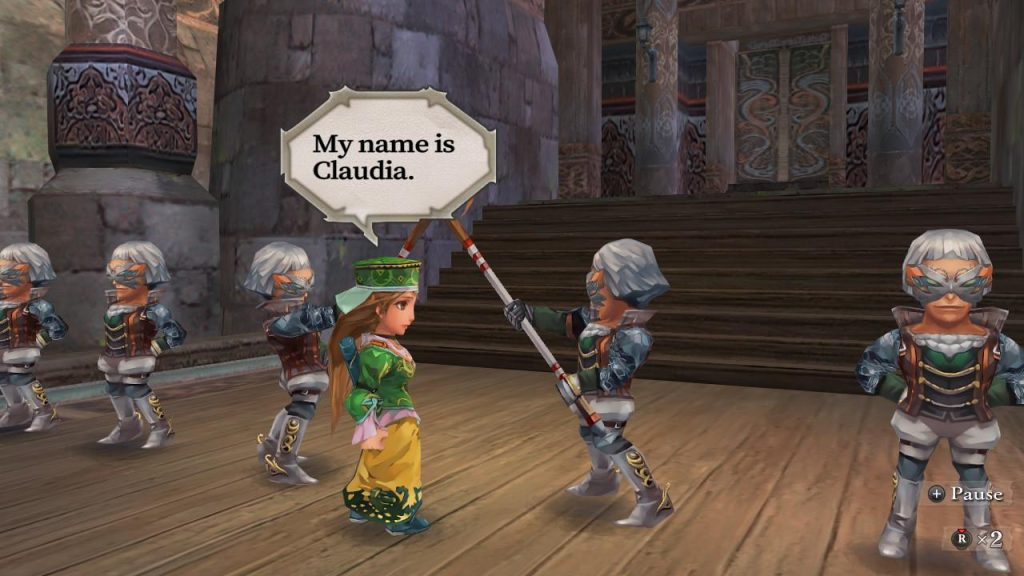
Unlike traditional RPGs, Romancing SaGa’s progression is pretty loose. The game’s story relies on your gathering clues from NPCs and exploration. Certain areas will only open up after having a dialogue with other characters, and it’s not always very clear what you have to do.
There are only two real necessary quests to complete the game with each character: the character-specific quest, which happens pretty early on and the quest to defeat the final boss. The rest of the game is completely up to you in terms of how you want to handle it, and it gives the RPG a level of freedom that I’ve only ever seen in the SaGa series.
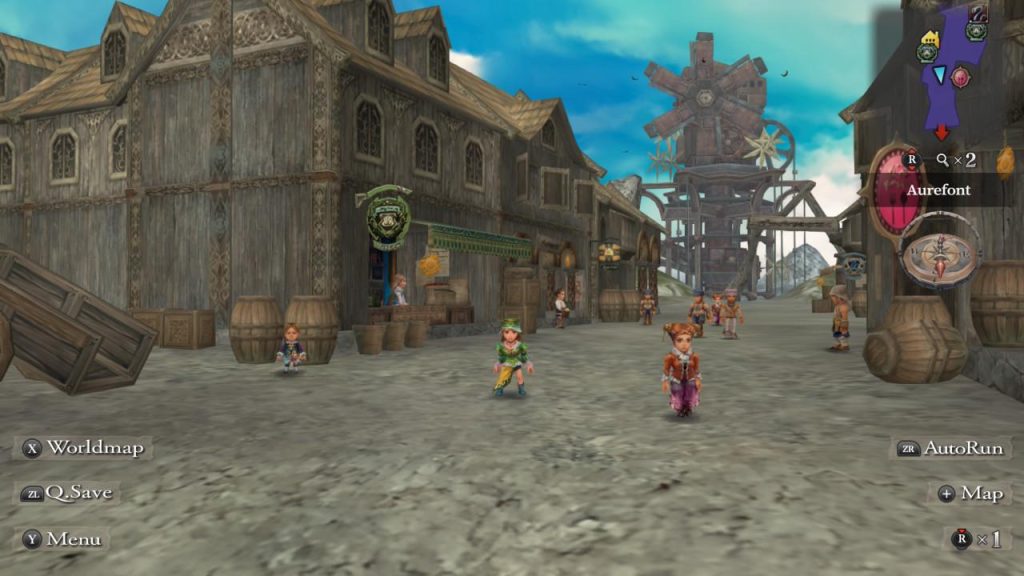
While I love the sense of freedom, there were times when I wished the route for progression was a little better signposted, but that’s what’s charming about the series, it makes you actively explore every location available to you and talk to every character to gain leads and open new areas.
I’d recommend switching up your party as you come across new potential members, as the important ones can always be recruited again later and will often linger in one of Romancing SaGa’s numerous pubs, and new members often unlock new exclusive locations once joining the party.
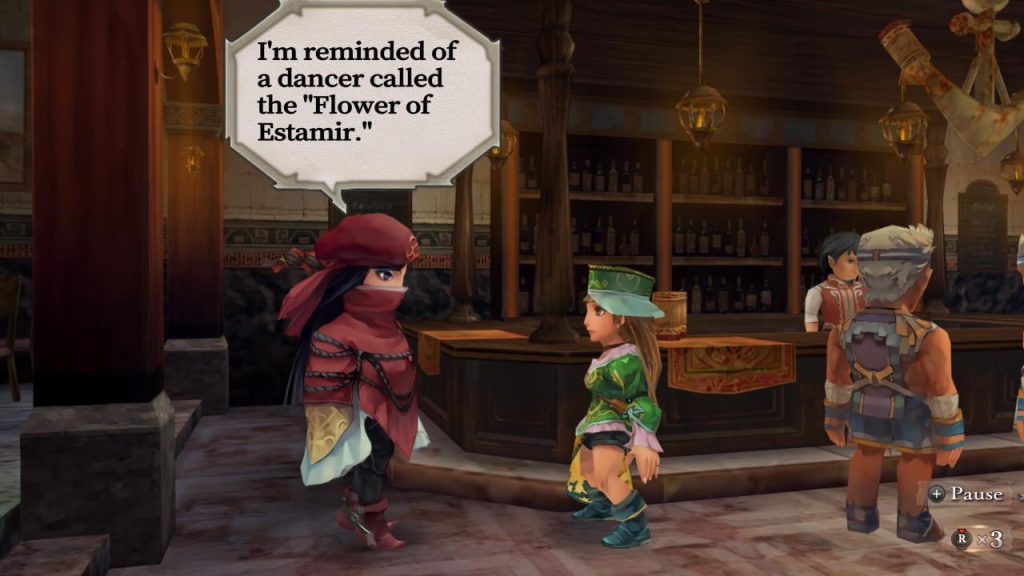
To move the story forward, Romancing SaGa incorporates an Event Ranking system, which is pretty much hidden away from the player except for a clock viewable from the main menu. This acts as a sort of progression tracker; the more events and quests you complete, the further the clock will progress, and so will the story. Certain characters appear at certain even ranks and move locations on others, incentivising numerous playthroughs to get the whole story.
Quests generally involve heading to a certain location in the world, fighting a bunch of monsters or simply gaining information from talking to someone.
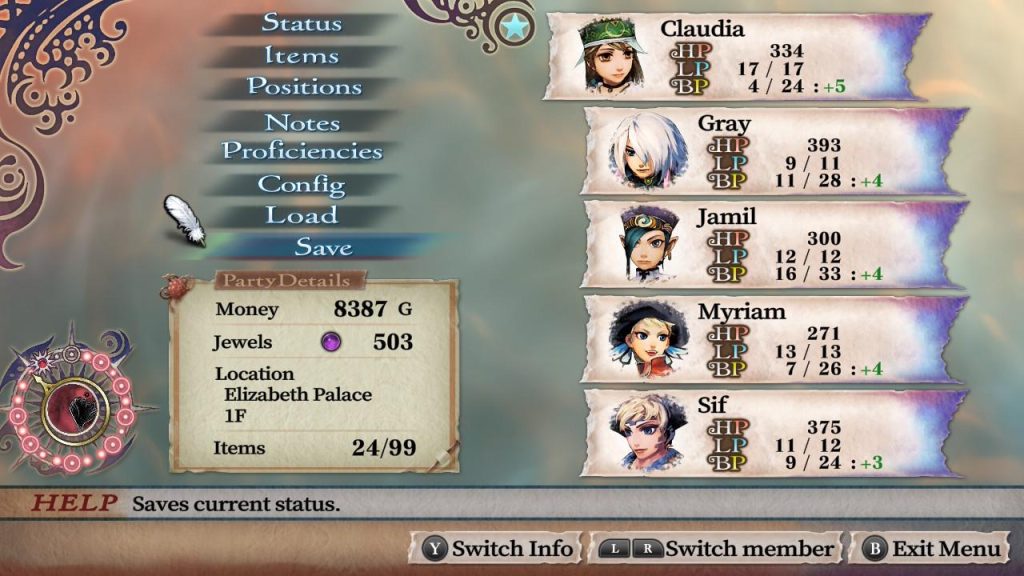
Romancing SaGa’s Battles are turn-based based and you can recruit an additional four characters to fight alongside you to make a total of five. There’s a ton of recruitable characters throughout the game, all with their different strengths and weaknesses. Luckily, there’s also a very comprehensive job system allowing you to mould any character to fit a role on your team. Switching classes is essential if you want to tackle any of the late-game bosses, especially the final boss. I went into that final boss fight with only one character knowing any healing spells, and I got humbled pretty quickly.
This is where Romancing SaGa Minsterl Song starts to get a little complex. In battles, you have your typical HP as expected, but you also have BP and LP. BP or battle points are how much a move costs to use, and each character will generate a certain amount per turn. You can use them right away or ‘bank’ them for a higher costing ability later on in the battle. LP, on the other hand, stands for life points and is whittled down once your HP drops to zero or if you use specialist weapons that drain LP. Once all a character’s LP is drained, they will be completely removed from the party and can’t simply be revived.
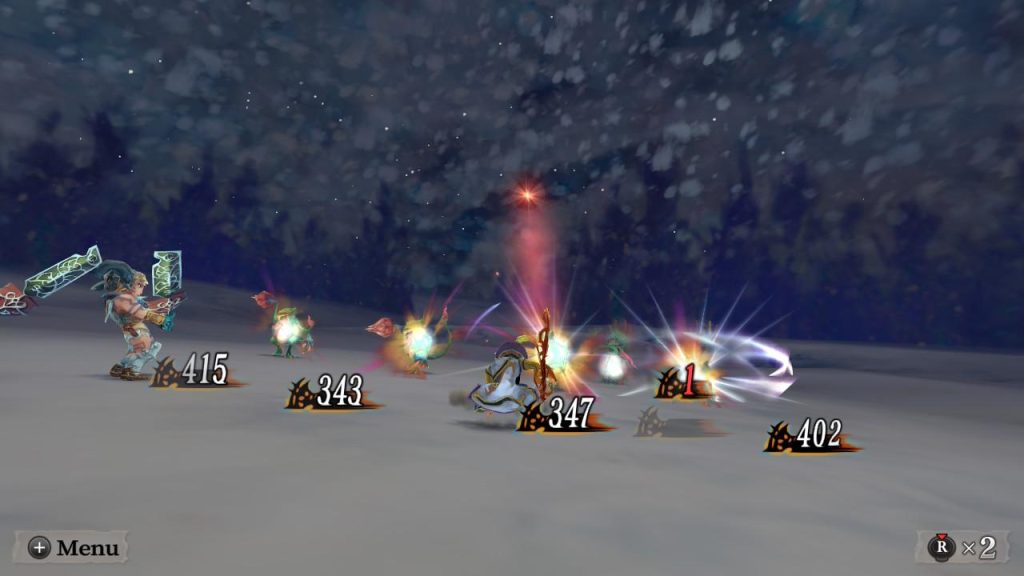
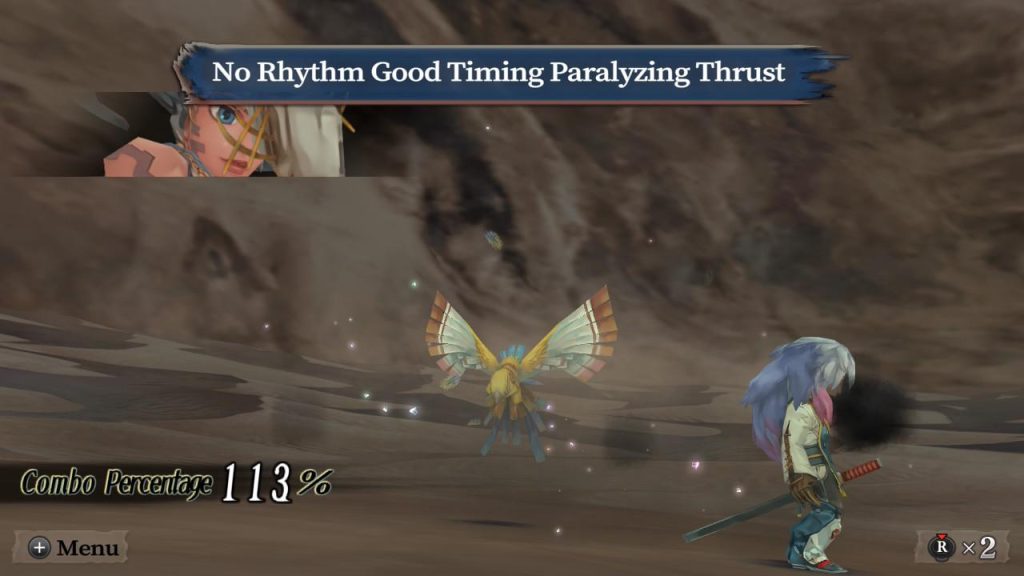
While the battles play out as a traditional turn-based RPG, there’s no levelling system per se, although your characters will gain stats in their attributes in a near-random manner after battles, all dependent on how many moves you used, etc.
Learning new moves and abilities is somewhat the same due to the Glimmer System, which randomly unlocks weapon-specific skills the more you use the weapon. Some people I’ve talked to hate the glimmer system, but I find it surprisingly charming, and it feels even more special when you unlock a particularly powerful move.
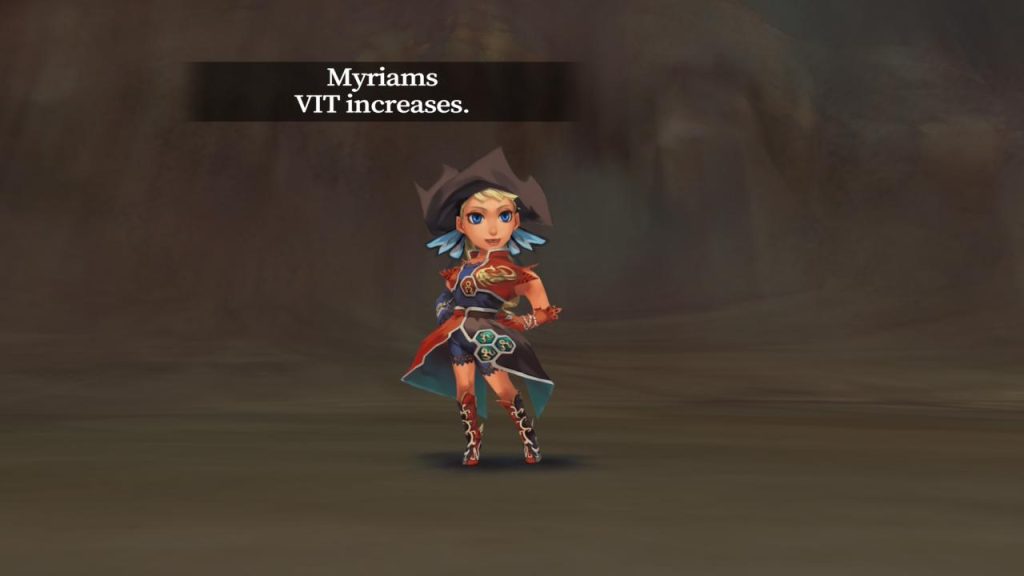
After each fight or completed quest, you’ll be awarded some Jewels. These can be spent to increase your abilities or to unlock new classes. Finding new classes and making a well-rounded team can be very rewarding, although switching jobs later on gets expensive due to the increased Jewel cost.
Other systems to be aware of are Weapon durability; each weapon has a set amount of uses, which can be repaired at a blacksmith or by resting, but you can’t just endlessly grind stats, as you’ll always eventually need to repair your equipment back at town. Personally, I’d recommend carrying a backup weapon for each character, which you can switch in if your first runs out of uses.
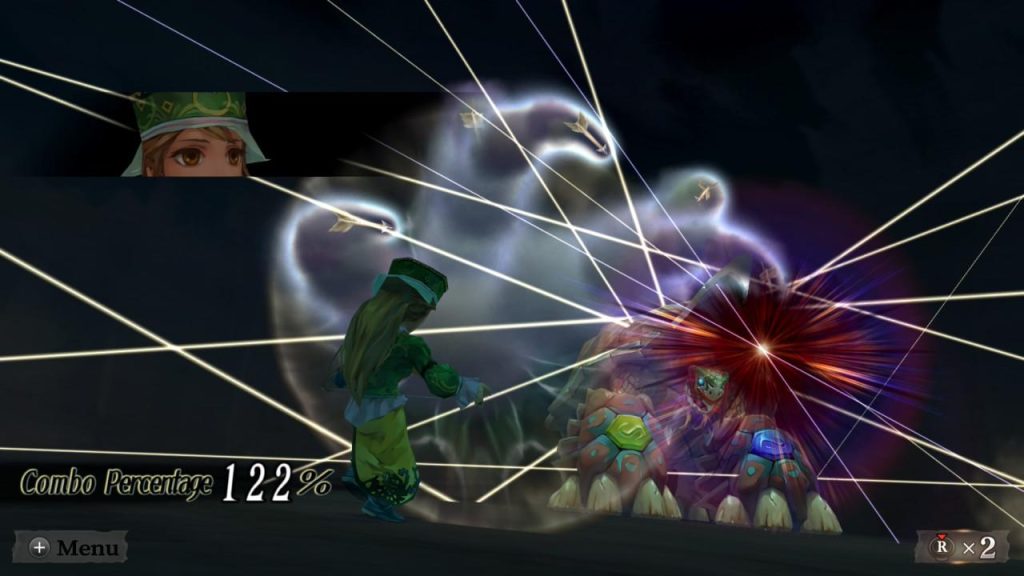
Another thing to mention is the difficulty, as your characters skill up and gain stat points, so will the enemies, making for a pretty challenging game in most encounters. Thankfully, Boss enemies seem to have a set amount of health and strength, so you don’t have to worry about them beefing up too much, which could be especially troublesome with some of the game’s super bosses.
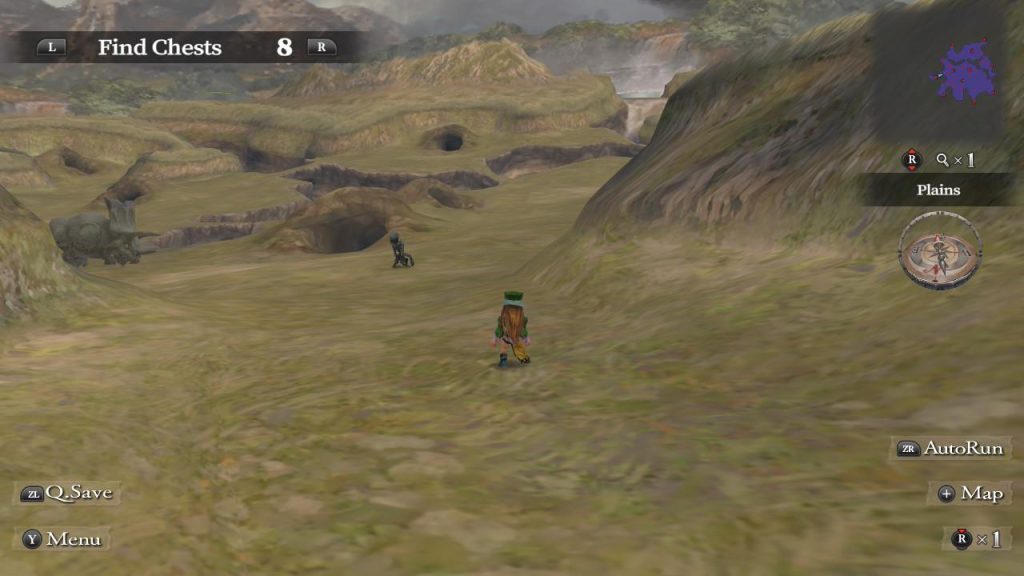
A nice addition to the remaster is the ability to set the game in double speed for battles and triple speed around the world map; however, having this turned on does make it easier to run into enemies, and I often accidentally started enemy encounters I could have otherwise avoided.
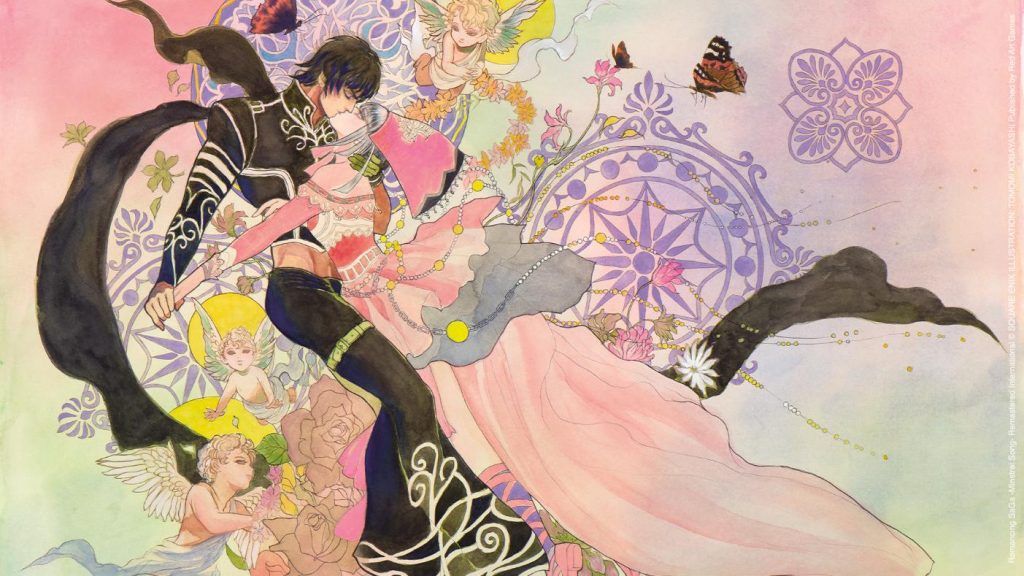
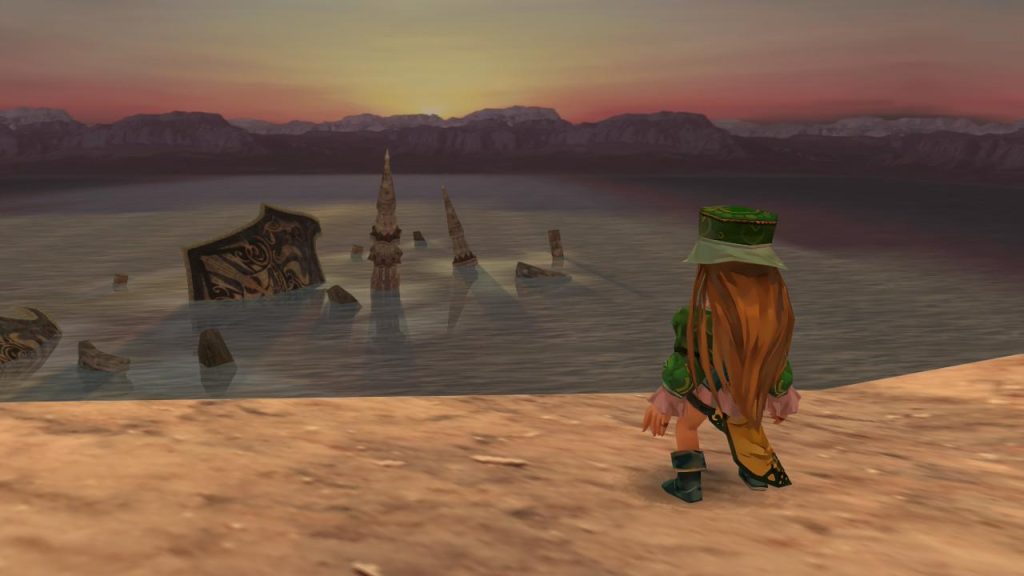
The first thing you’ll undoubtedly notice about Romancing SaGa: Minstrel Song is the beautiful artwork and character designs by Tomomi Kobayashi. The whole game looks like a bright and colourful pen and watercolour painting. The original character designs were Kobayashi-san’s first in the series, so it’s great to see them in all their glory here.
Minstrel Song’s music is also definitely mentioned, featuring hands-down one of the most iconic battle themes that doesn’t even begin to get repetitive even after many hours. The OST was solely composed and arranged by Kenji Ito, who essentially creates all the music for a ton of SaGa games and even a few from the Mana series. It’s really well done and a treat to listen to.
So, let’s talk about the differences in this rerelease, which was originally released back in 2022 digitally, this new international version marks the first time that Romancing SaGa: Minstrel Song is going to be available physically in Europe, as the original Romancing SaGa was only released in Japan, with the subsequent PS2 remake being only ever released in Japan and the USA. The International version finally provides French, German, Italian, and Spanish localisations for the first time, along with a slew of quality of life features added for this modern port, including Full HD graphics, the ability to recruit the additional characters, Schiele, Marina, Monica and Flammar. Tweaked boss difficulties have been added, making the game a touch harder, along with a New Game+ mode allowing you to take over all your progression to another run.
A big addition is the inclusion of Mini Maps, which, along with the high-speed modes I touched on earlier, make traversal a whole lot easier.
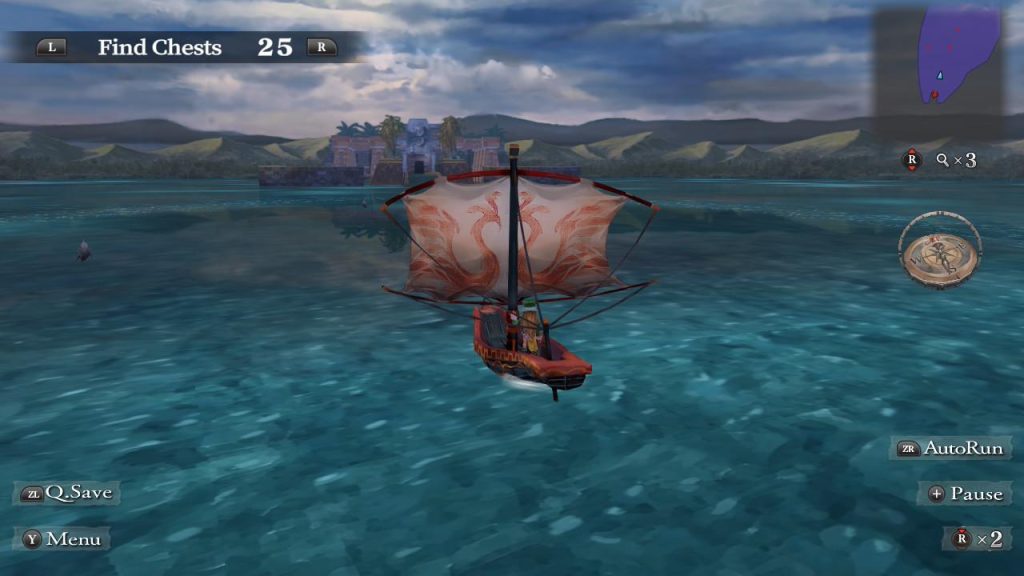
In terms of length, Romancing SaGa: Minstrel Song has a ton of content, especially if you want to take each character through the game. For this review, I played through the Nintendo Switch version of the game on Nintendo Switch 2, and my total play-through time was 22 hours for Claudia’s path alone, so you are looking at well over 100 hours of playtime if you want to see absolutely everything the game has to offer.
Conclusion
Romancing SaGa: Minstrel Song Remastered International is a fantastic starting point for anyone looking to get into the SaGa series. While it isn’t the most straightforward RPG to wrap your head around, once it clicks, it’s a very rewarding game worthy of numerous playthroughs. The beautiful art style and rocking OST really help showcase exactly why the SaGa series has endured for all these decades. If you want to play a traditional RPG that dares to be a little different, I think you’ll love Minstrel Song just as much as I do!
8.5
Nintendo Switch review code kindly provided by Red Art Games