
Mask of the Lunar Eclipse Review
The Project Zero / Fatal Frame / Zero franchise is one of my personal all-time favourite series and has been ever since I played the original entry on my PlayStation 2 way back in 2002. Mask of the Lunar Eclipse is the fourth game in the series and was, sadly for many years, trapped on the Nintendo Wii where it was a Japanese-exclusive game. There was a fan translation made available, but that required you to mod your Nintendo Wii so was far from ideal. Thankfully, Koei Tecmo has stepped in and made an updated port finally releasing outside of Japan with many quality-of-life improvements.
Story
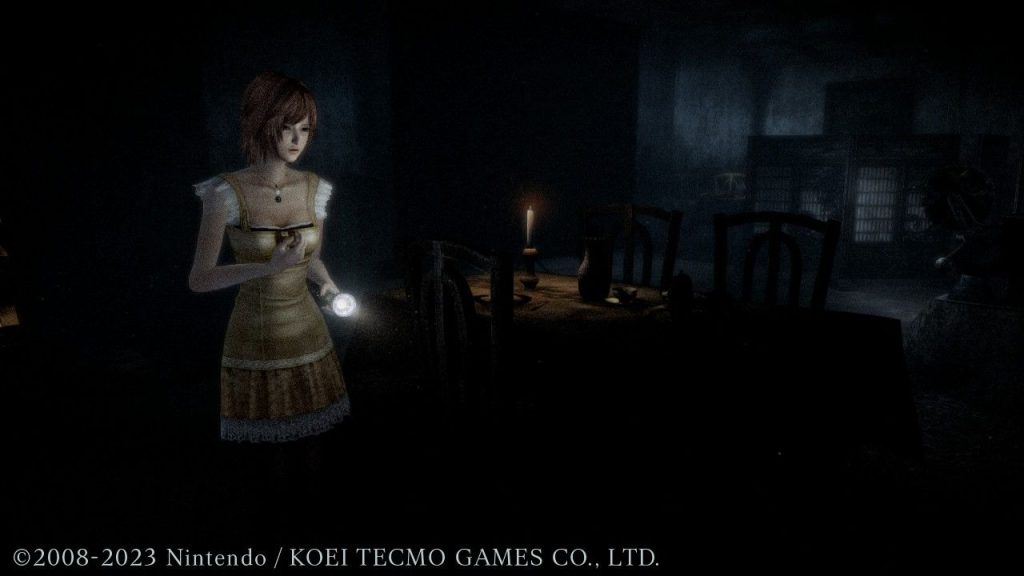
Mask of the Lunar Eclipse is a prequel to the original Project Zero game set sometime in the early 80s. The story starts with two girls, Makoda and Misaki wandering around the abandoned hospital on Roguetsu Island where they were being treated as children for a mysterious illness known as Moonlight Syndrome. It seems Moonlight Syndrome has messed with the girl’s memories and they are haunted by visions of a ceremony involving masks, kidnapping and even some memories of some horrific treatment.
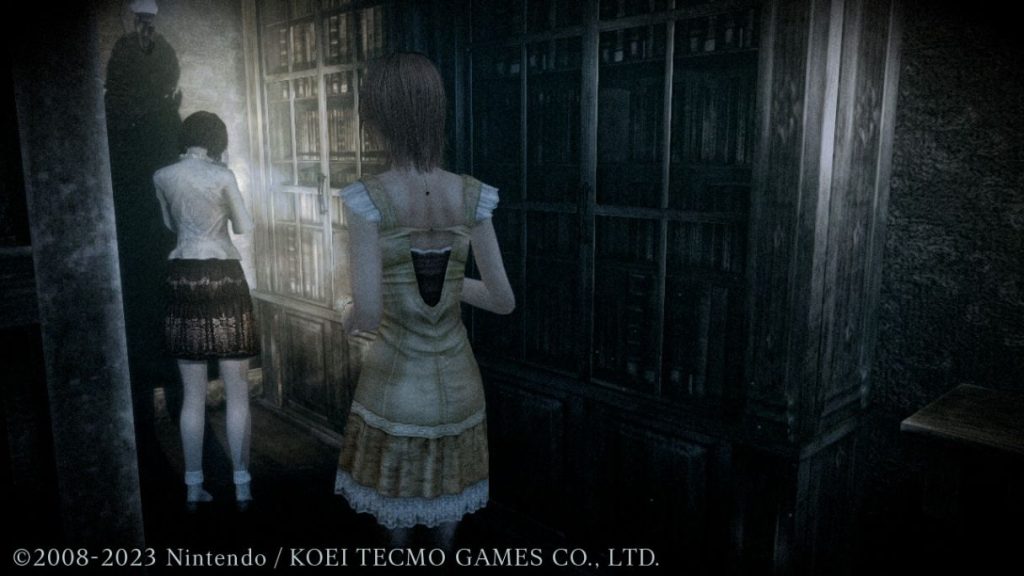
Mask of the Lunar Eclipse is divided into thirteen chapters which you play split between the game’s four controllable characters.
Makoda is only playable in the prologue chapter but does feature as a character throughout the story and gains access to the Camera Obscura.
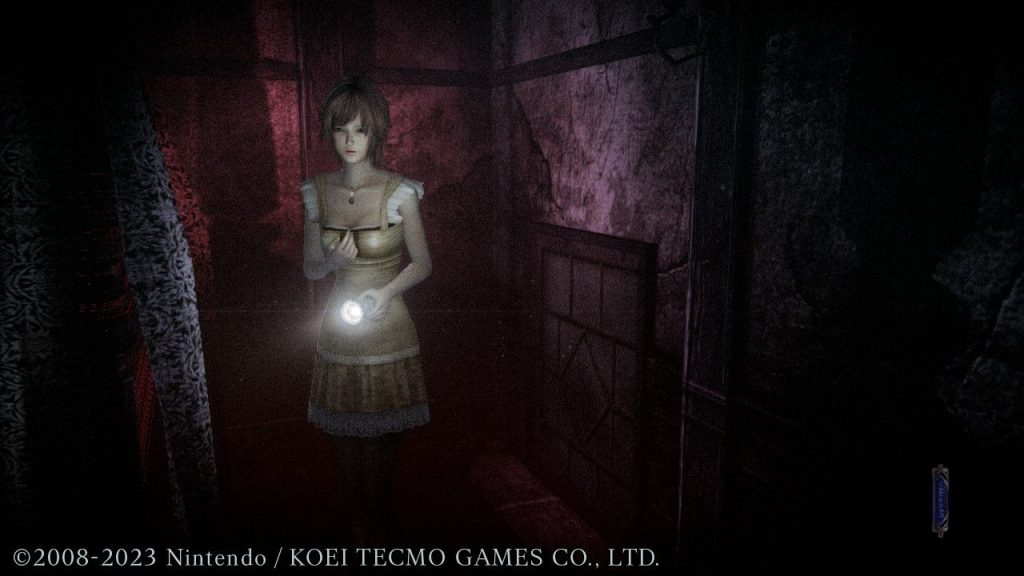
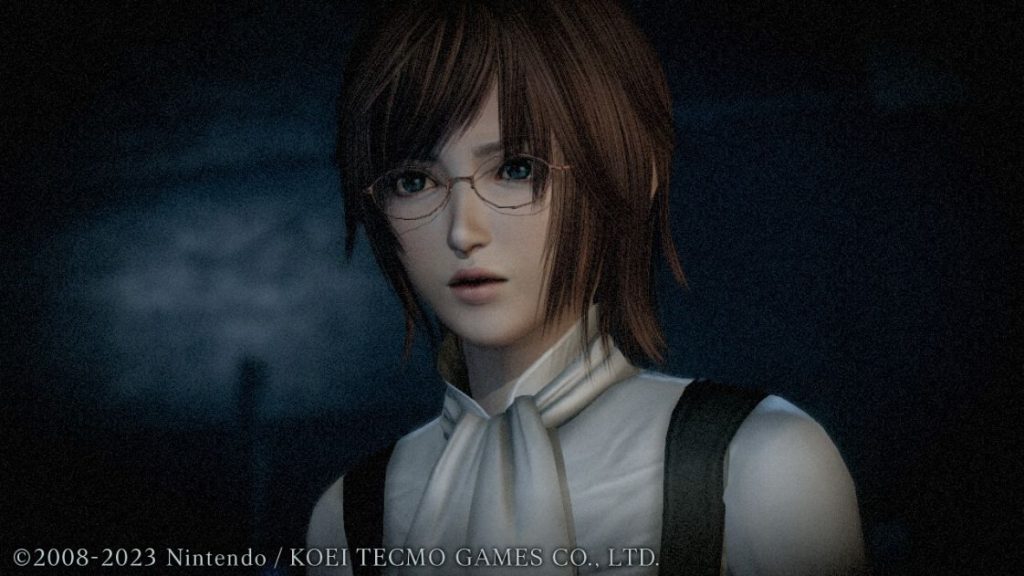
Ruka is who I would argue is the main protagonist of the story and we’ll be spending the most time with her through our playthrough, she’s looking for her friends and eventually finds the Camera Obscura.
Misaki also uses the same Camera Obscura that Makoda had. Misaki’s main motivation is to try and discover her past and figure out why she keeps having these terrible nightmares.
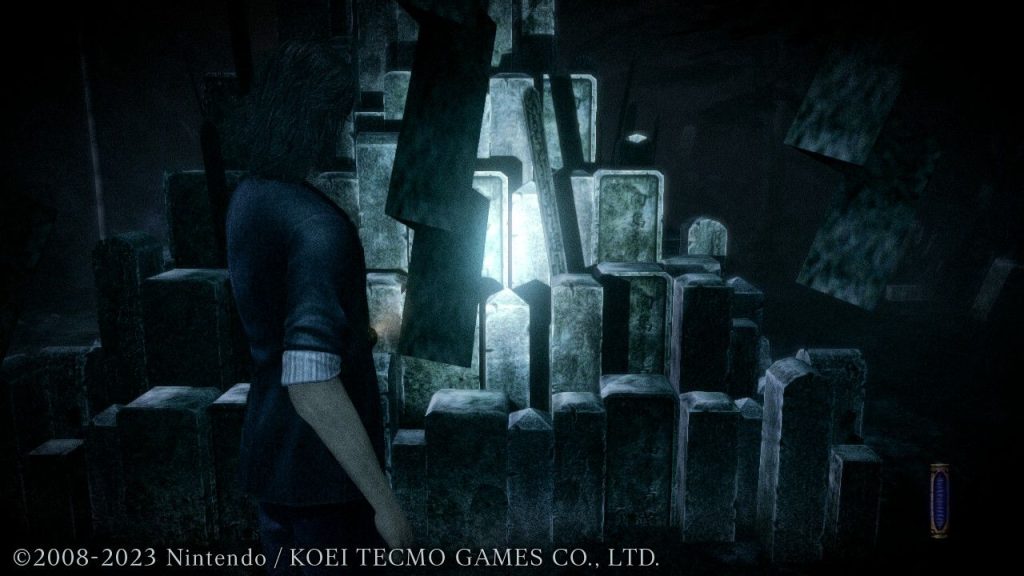
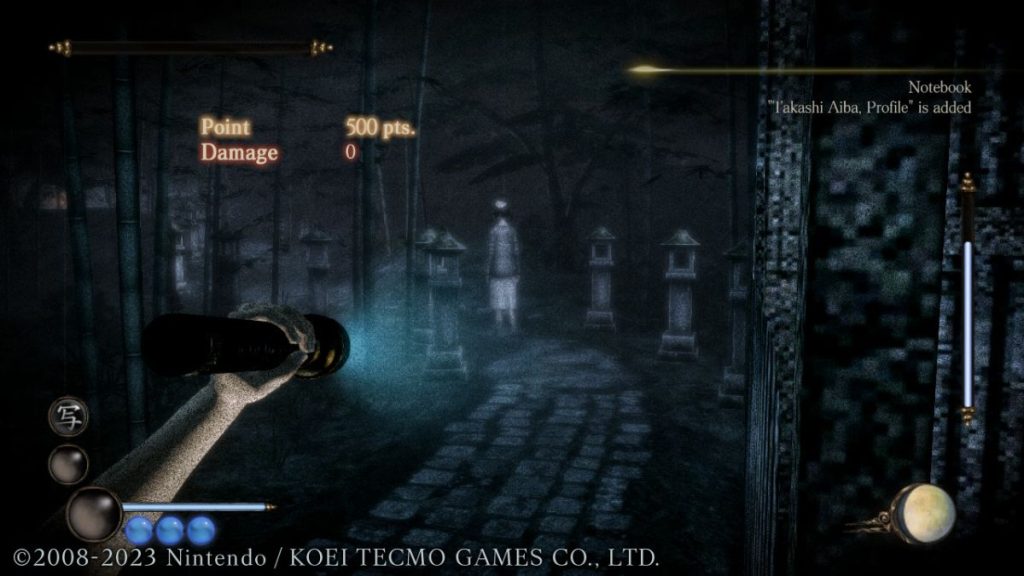
Our last playable charter is Choushiro, he is the only male character we control and I would say is the character we spend the most time with, after Ruka. Choushiro does not have access to the Camera Obscura and instead relies on the Spirit Stone Flashlight which functions similarly apart from the fact it needs to charge up over time storing moonlight to repel enemies. Choushiro is a detective who successfully rescued Makoda, Misaki and Ruka from Roguetsu island a decade before the events of Mask of the Lunar Eclipse.
Gameplay
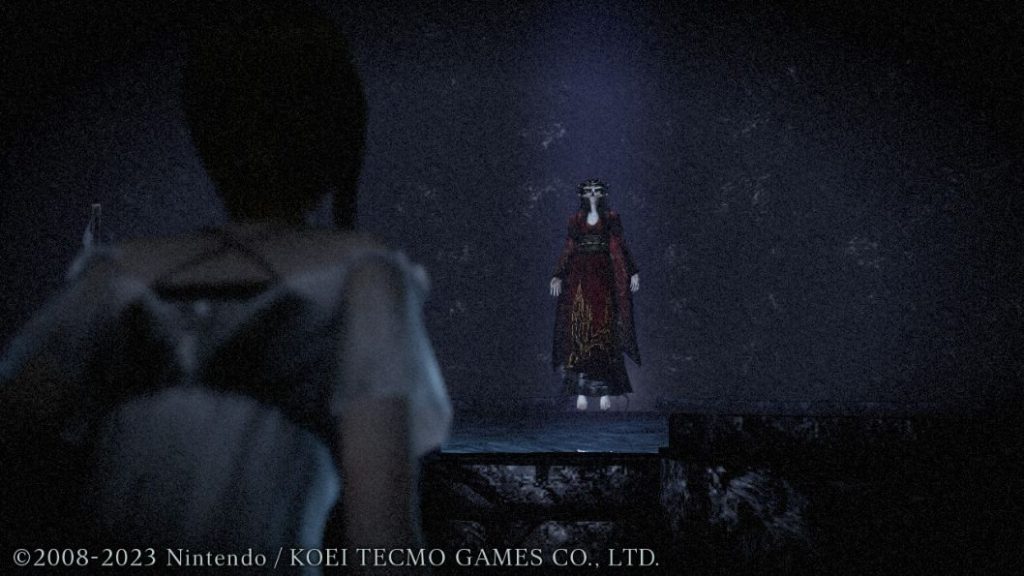
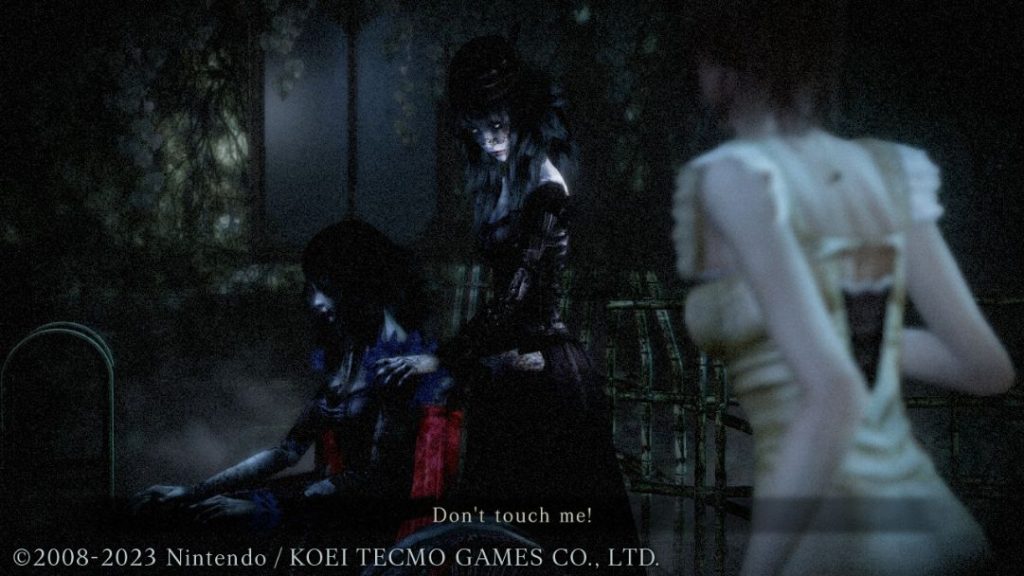
Across the thirteen chapters, you’ll slowly unravel the mystery of the Moonlight syndrome and the Island itself. Mask of the Lunar eclipse features a third-person over-the-shoulder-style camera, instead of the fixed camera angles of the previous three entries in the series. As you hunt for clues, various spirits will appear acting as echoes from the past and hinting at what exactly happened when the girls were being treated.
The Camera Obscura is the main method for capturing these dialogue scenes and you’ll need to quickly snap some of the spirits before they disappear. Along with the passive spirits, you come across some that are hostile. The Camera Obscura has the added benefit of being able to whittle down the health of these spooky spirits and there’s a great emphasis on risk and reward. When you encounter an enemy you must switch to viewfinder mode which grants you full control of the camera obscura, you can snap enemies to damage them the closer you are to a ghost, the more damage is dealt.
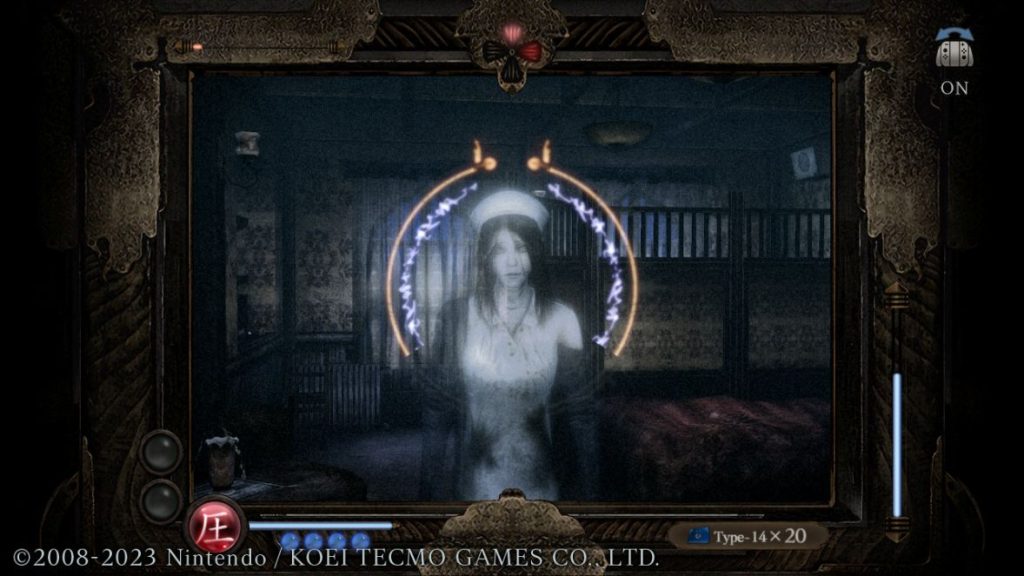
The risk-reward style of gameplay keeps things tense, to inflict the most damage to a spirit you must first let it get as close as possible, then wait for it to lunge at you. If timed correctly, you’ll pull off a Fatal Frame which dishes out much more damage than your standard shot.
Enemies can be infuriating as they often have irregular movement patterns and will often float behind walls where you cannot reach them. Luckily, throughout Mask of the Lunar Eclipse, you’ll unlock several upgrades to help increase the amount of damage output of the Camera Obscura. Upgrades will increase the base damage, and the reload time of the camera’s film as well as various Lens attachments you can find which offer additional effects such as slowing down a spirit or knocking them back for a set amount of time.
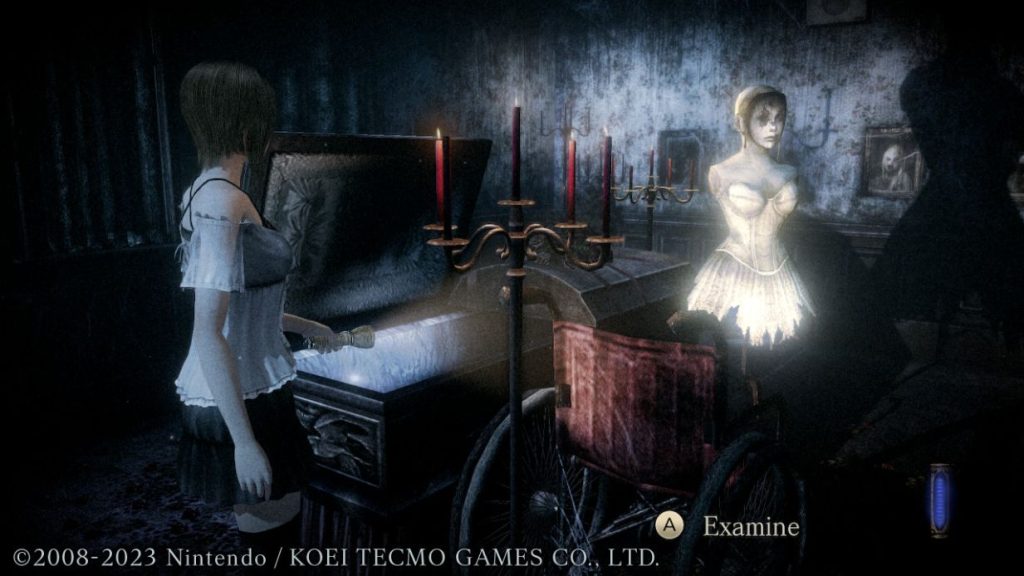
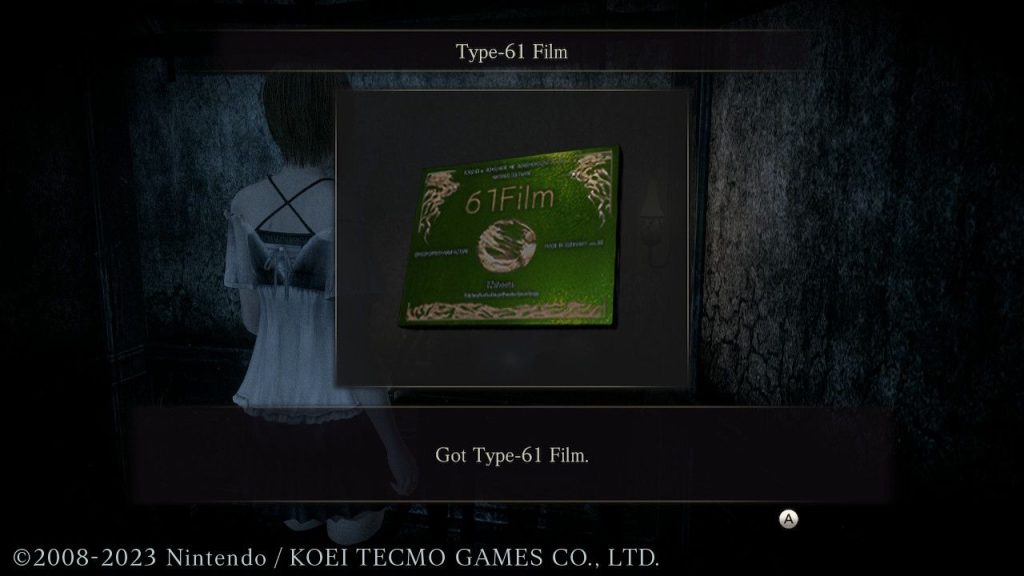
Along with camera upgrades, you’ll come across several different film types all varying in strength, you can almost think of this as finding better ammunition in a traditional shooter and it’s wise to save some of your more powerful films for encounters with some of the game’s bosses.
Project Zero Mask of the Lunar Eclipse is a deliberately slow-paced game, everything from picking up an item to opening a door takes a good few seconds. While this does add to the tension, I did wish things were just a tad faster. This is not a problem exclusive to Mask of the Lunar Eclipse, it’s a slowness that has plagued the entire series. Occasionally, the story will dictate your characters already slow movement speed bringing them to a walk, which can be a little annoying.
Speaking of character movement, I could see the control scheme being a little contentious, especially for slightly younger gamers who have grown up in a post-RE4 world. As a 36-year-old and veteran survival horror fan, I can see how the pseudo-tank controls may put off some people, but personally, I found they worked well. There is an option to play using a slightly more modern movement style, but I preferred the default classic control scheme.
Saving is handled via lanterns and they also act as somewhat of a shop where you can redeem your points gathered from taking photos and trade them in for healing items, additional film for your camera or cosmetic items. The autosave mechanic could be a little more generous and as far as I could tell, only seemed to trigger when in proximity to a lantern. This isn’t the biggest problem, however, I did have to restart a 45min section of the game twice, which was a little repetitive when paired with the already slow movement speed. That said, it was totally my fault and I had ample opportunity to save, so perhaps I should not complain about it!
In terms of difficulty, Mask of the Lunar Eclipse is firm but fair. You have the ability to stock up on health medicines etc often which you can just spam if you need to get through a particularly tough fight. Enemy movement can be quite erratic, coupled with the fact the game has a habit of locking the player in very confined spaces makes the game feel even more claustrophobic than the other entries in the series and I would often take damage from an enemy I couldn’t even see appearing from a wall behind me. I found these sections pretty tricky at times and it feels like a more difficult game overall when compared to the rest of the Project Zero games.
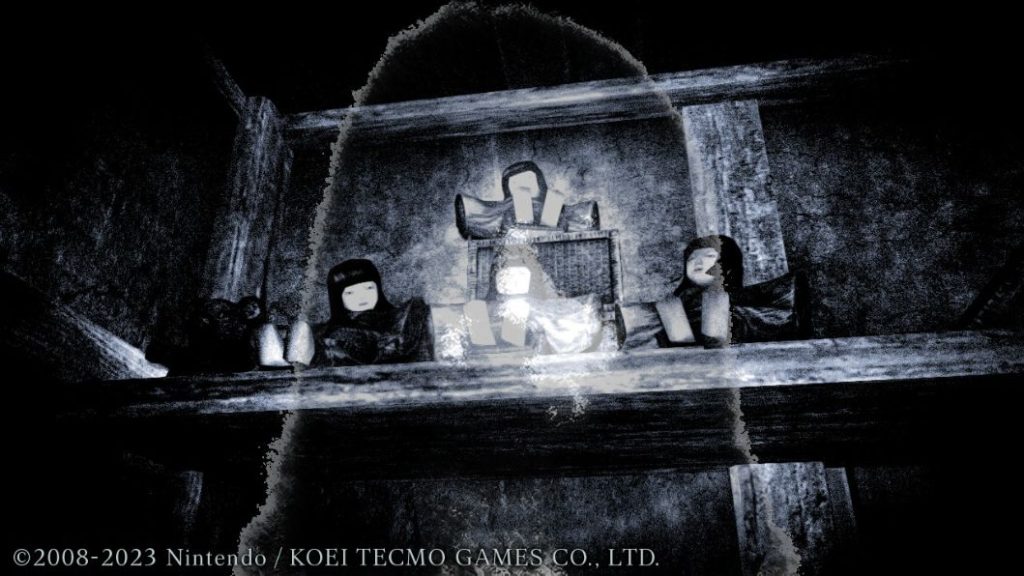
Throughout the game you stumble across Hozuki Dolls, a quick snap with camera obscura will cause the soul trapped inside these creepy little dolls to be freed. Hozuki dolls are everywhere and some of them can be pretty well hidden such as in air vents, partially opened doors etc. Upon completing Mask of the Lunar Eclipse, I was surprised to see that I only managed to find less than half the total dolls, I honestly assumed I would have found at least 75%+ of all dolls as I was pretty methodical in each area. I guess this will be one collection I need to finish off in New Game+.
The art style holds up very well and Koei Tecmo has done a great job modernizing it without going over the top. I would even argue that this is a nicer-looking game than its Wii U/Switch sequel Maiden of Black Water. The muted colour palette suits the game very well along with the great use of accented blue/purplish light to represent moonlight in certain hallways etc.
Character models look great and I even found myself panning the camera away on more than one occasion to get a look at them in different lighting. The environments are well thought out and there are a few truly creepy locations which are all theme very well, however, it was hard to not notice that some textures in the game are very low quality. I’m not sure if this is just with the Switch version, but they tend to stand out even more, especially as everything else in the game looks really nice.
The sound design is also stellar giving the hospital an oppressive feeling throughout. The ambient sounds really set the scene, from the creaking of your character walking across old wooden floors to the distant sound of banging making you feel like you are never truly alone and always keeping you on edge at all times.
Technically speaking, Mask of the Lunar Eclipse looks and runs great on the Switch with hardly any noticeable dips in performance apart from when opening doors where the game would almost freeze for a couple of seconds, which I would assume is the game just loading in more assets.
Conclusion
Project Zero Mask of the Lunar Eclipse is a fantastic reworking of a long-stranded horror game. Across my 12+ hour playthrough, I thoroughly enjoyed unravelling the story of the protagonists along with the island itself. The gameplay is great although movement speed, and a few other gripes let the game down slightly.
I would highly recommend picking this if you are a fan of the series or survival horror, however, if you are unfamiliar with the series, I would suggest checking out some gameplay videos before taking the plunge, the slow pace may be a turn-off for some.
I have my fingers crossed that Koei Tecmo will look back at the older Project Zero games in their back catalogue as it would be awesome to see some of those titles get the Mask of the Lunar eclipse treatment.
8
Nintendo Switch review code kindly provided by Koei Tecmo