
Nioh 3 Review: Switching Styles in the Open Field
I love Soulslike games; however, I never did play Nioh 2. I played the first game many years ago and loved it, yet somehow, Nioh 2 eluded me. Thankfully, I’m pleased to say that with Nioh 3, you do not need to have played either of the previous games; although a few familiar characters from the first Nioh do appear, the story stands firmly on its own. Nioh 3 is the ideal jumping-in point for anyone new to the story.
Story
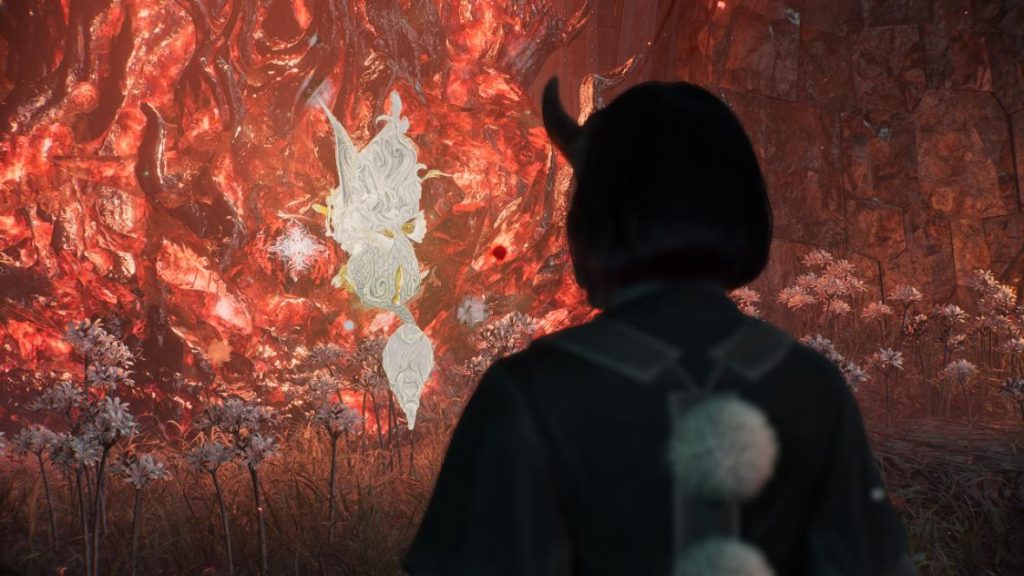
The Journey begins in 1622 Edo Japan, and puts us in the shoes of our protagonist, Tokugawa Takechiyo. Living in an age of peace, Takechiyo is about to be appointed as the next Shogun until their jealous younger brother Kunimatsu summons Yokai in an attempt to take the title of Shogun for himself.
While escaping the various hordes of Yokai, Takechiyo is sent back 50 years in time thanks to the power of his guardian spirit, Kusanagi. Unfortunately for Takechiyo, the time period they arrive in is known as the Warring States, a land full of Yokai, and as the story progresses, Takechiyo will traverse different time periods in an effort to put a stop to his brother once and for all.
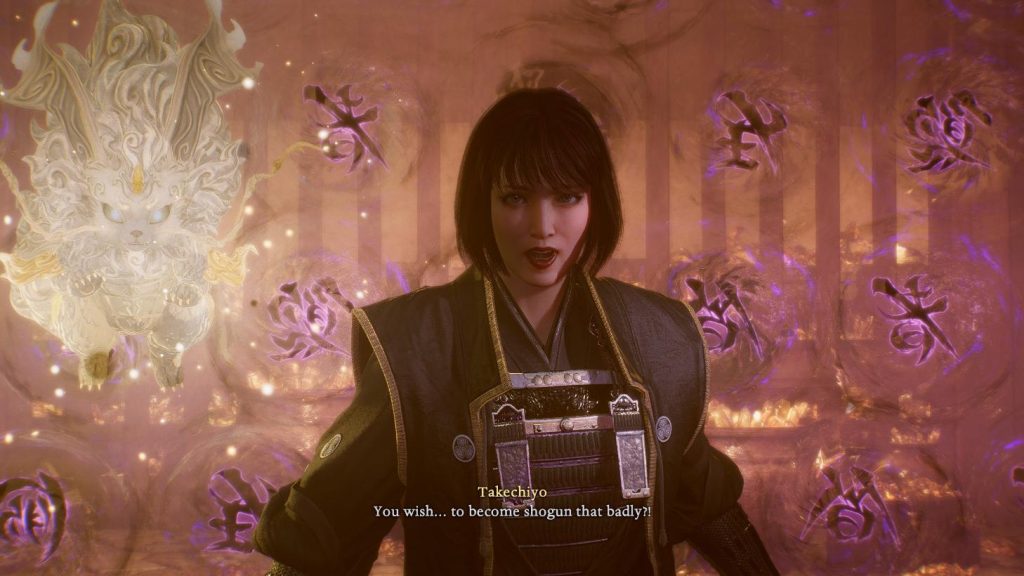
I’ll be the first to admit, the story here in Nioh 3 is not the game’s main selling point. Sure, it’s interesting, but the game is mainly designed around the frankly excellent gameplay.
Gameplay: Samurai vs. Ninja
If you’ve played a Nioh game before, you’ll know the drill. You start in a tutorial dojo in Edo Castle that will freely allow you to choose between numerous different weapons, including Swords, Dual Swords, the massive Odachi-type swords and so forth. The game has that soulslike risk/reward style combat that the series is known for, having you trade blows with your partner, all the while being mindful of your Ki (Stamina). Unlike other soulslikes, the Nioh series has this neat mechanic where you can grab back a small amount of Ki after each attack with a timed button press called a Ki Pulse. At first, this takes a bit of getting used to, but after a few hours with the game, it will become second nature.
For the newcomers to the Soulslike genre, it’s worth mentioning that your character can level up from one of the hundreds of Shrines across the game’s map. Each enemy you defeat will drop an amount of Amrita, which can be traded to level up Takechiyo, allowing you to put a point into their stats and create your own build as you see fit. Want more HP? Throw a point or two into the Constitution stat. Need to dish out more damage? consider leveling up the Strength stat.
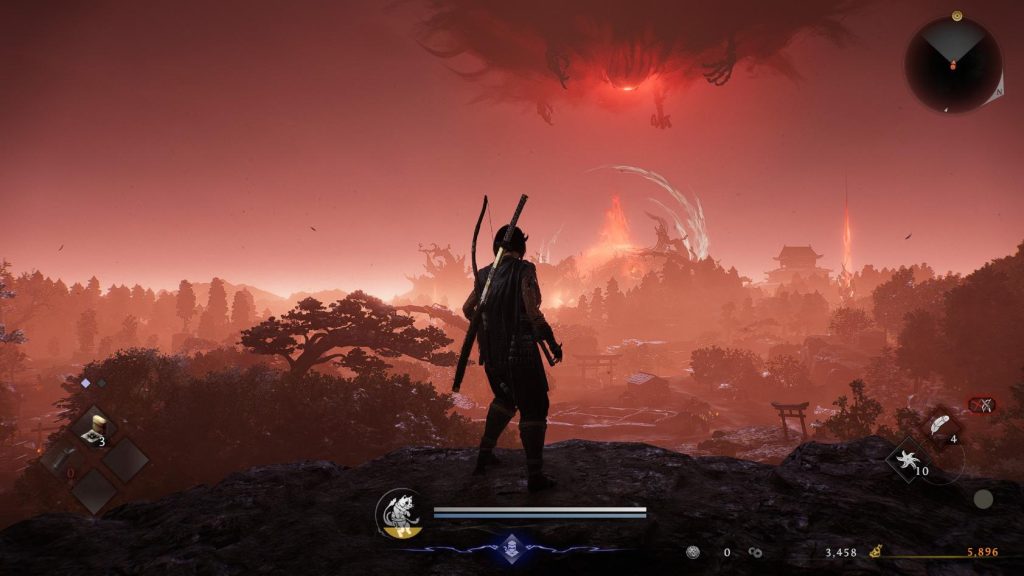
A series first here in Nioh 3 is the ability to switch between two different fighting styles on the fly. With a tap of the R2 button, you’ll freely switch between Samurai Style or Ninja Style. This adds a whole new dimension to the ‘Nioh’ experience as you now have to be mindful about which style should be used against certain enemies and when is best to switch.
Samurai Style is your typical Nioh experience; you’ll move a little slower and use some of the heavier weapons while being able to switch between different stances just like in the previous games. Ninja Style focuses on Ninjutsu, such as throwing weapons and evasion. You can even evade midair, making dodging feel very fluid and nice to play.
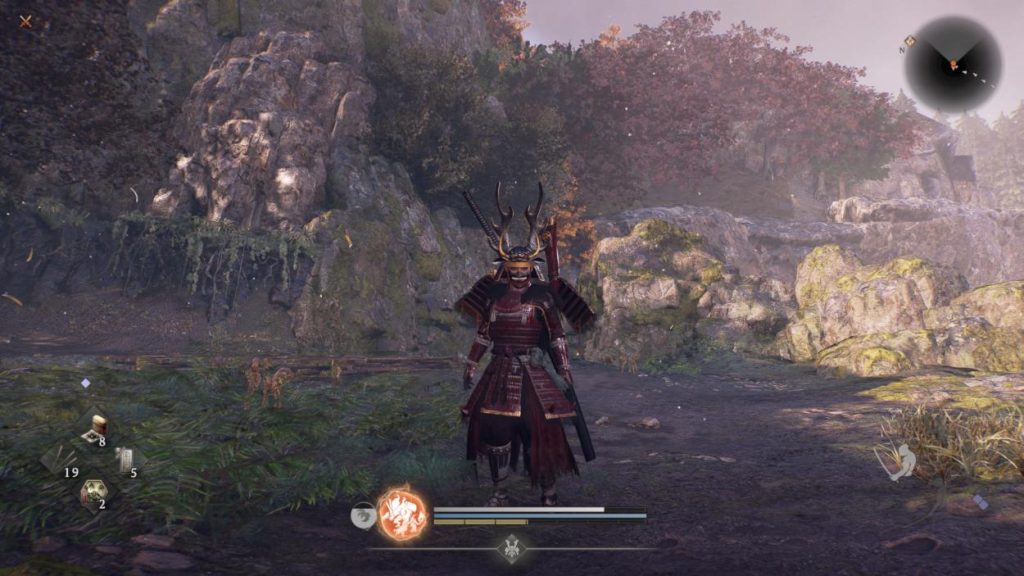
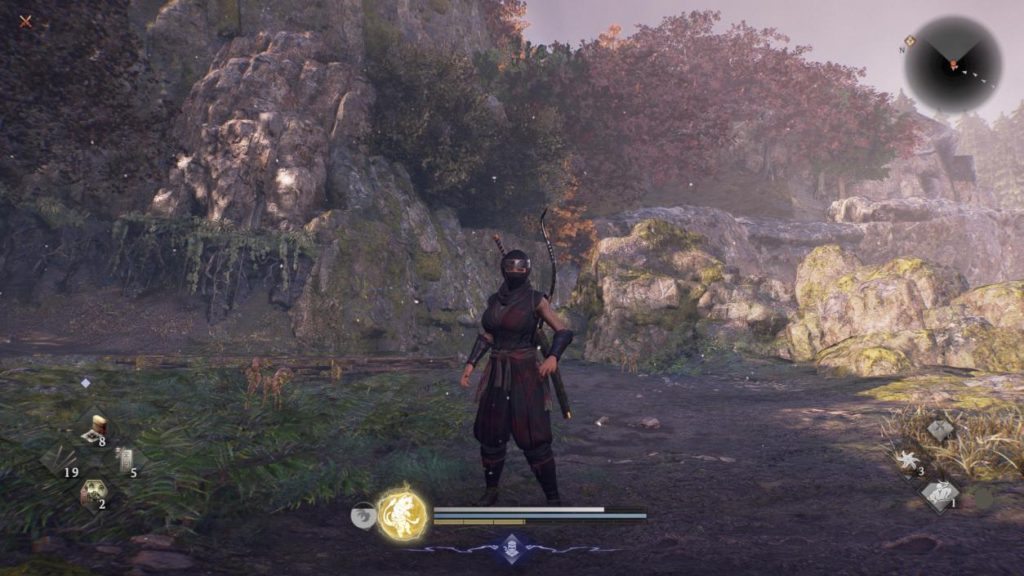
When I usually play Soulslike games, my character builds tend to end up being pure strength with the biggest sword I can find, so I was quite surprised when I found myself naturally spending more time in Ninja style, and I even found it a little annoying later on in the game, being forced to switch to Samurai style to claw back some Ki.
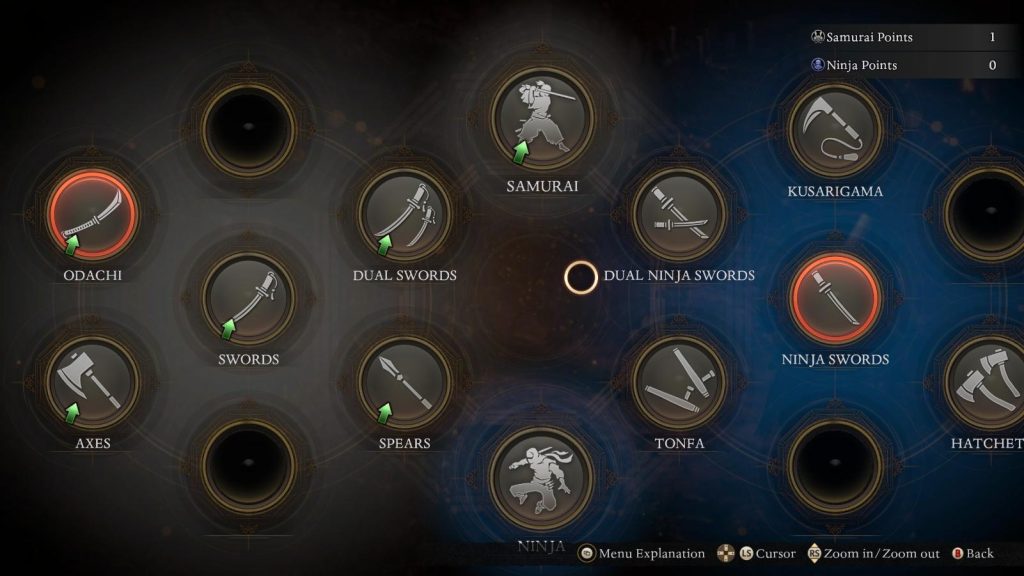
As you progress through the game, you’ll find Samurai and Ninja Locks, anitem that will grant you one skill point for that particular style. Each weapon has its own unique skill trees, so it’s worth tracking down as many of these as possible while traversing the world map, as this is your only way of unlocking some seriously cool moves and attacks.
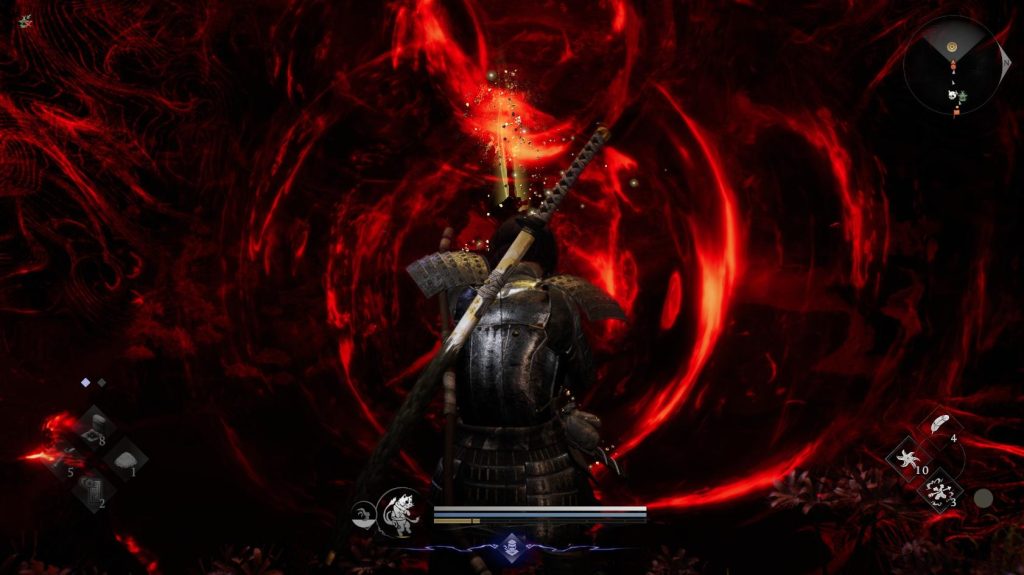
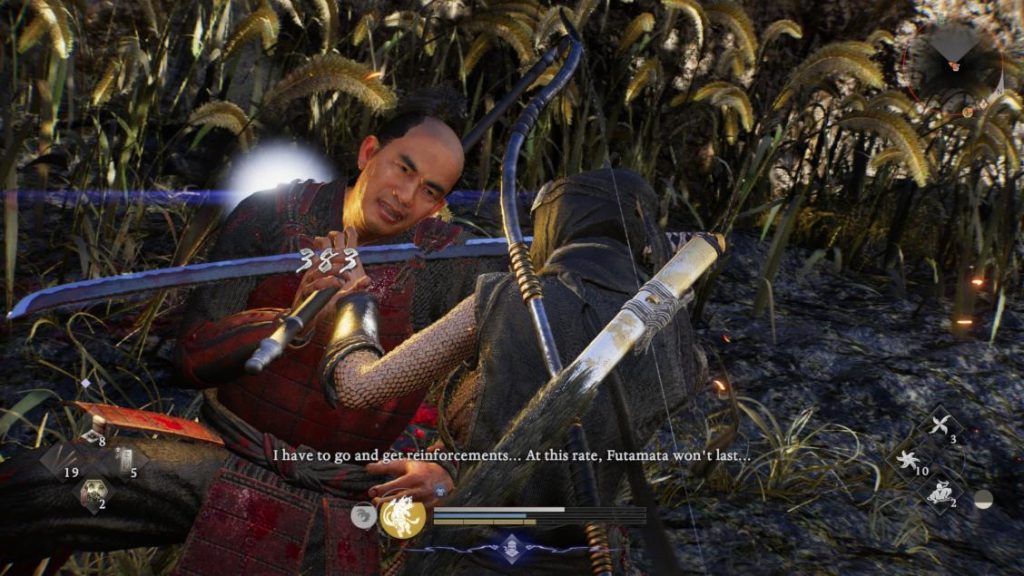
Enemies will occasionally launch a strong attack called a Burst attack at you, which is very well telegraphed by a glowing red aura around the enemy. If you switch styles the moment the attack lands, you’ll perform a Burst Break, which completly cancels the attack while inflicting damage to both the enemies health and Ki meters which is very satisfying to pull off and even has the added benefit of reducing the Yokai’s maximum amount of Ki so it’s well worth trying to land one or two of these attacks.
Exploration
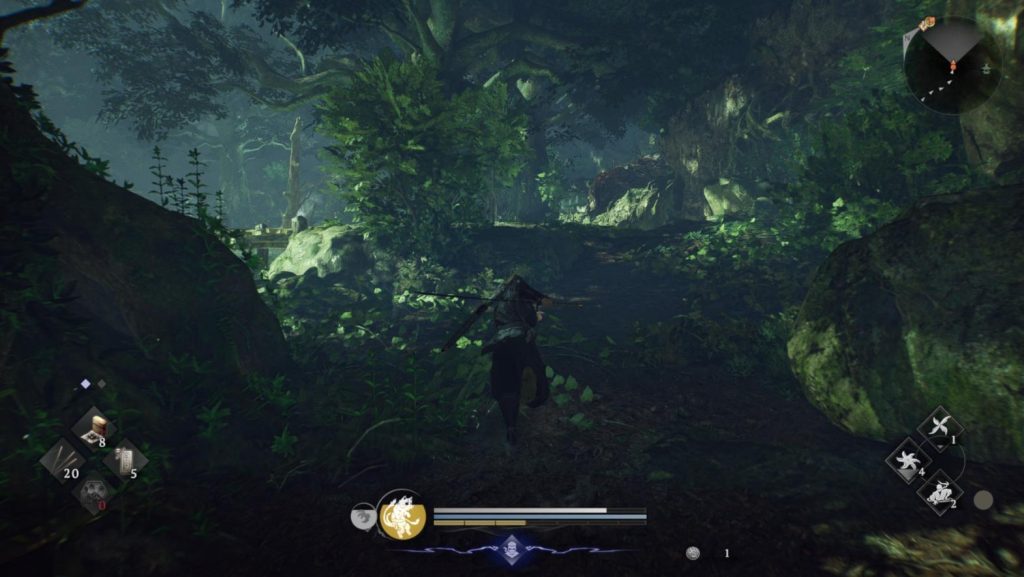
The biggest departure from previous entries is the transition to what the developers have called an ‘Open Field’ design, giving you a large area to freely explore. Whereas before, you’d have pretty linear level design, Nioh 3 goes in the complete opposite direction, giving you a ton of freedom, although each area is still divided into smaller regions, each with its own recommended level requirements.
Each region has its own sub-map with a ton of collectables to find and unlock. Exploring each area thoroughly will reward you with familiarty of the area. If you can max it to level 4, you’ll receive some nice items and upgrade materials.
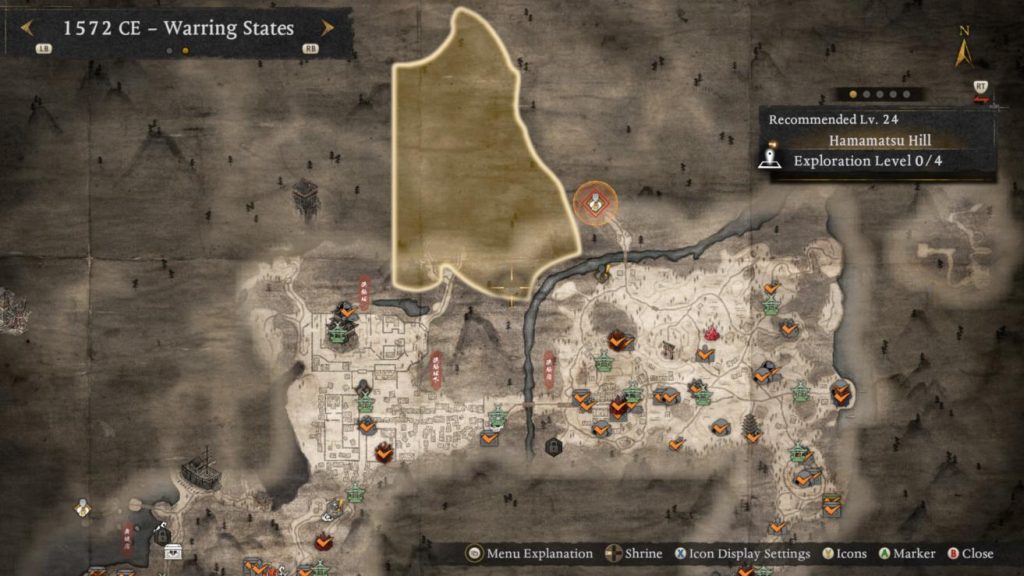
After completing a couple of the story’s main missions, you’ll unlock an ability in Ninja Style that greatly increases your movement speed outside of combat, which makes getting around a lot easier.
While I was first sceptical about the open-world design, it actually works really well here in Nioh 3. There are very few areas that are large just for the sake of it, and you’ll never travel too far without coming across an enemy, collectable or point of interest. Scattered throughout the world, you’ll find Kodama, Jinzo Shrines, Hot Springs, Crucible Spikes, Lesser Crucibles, Scampusses and more! There really is a lot to do.
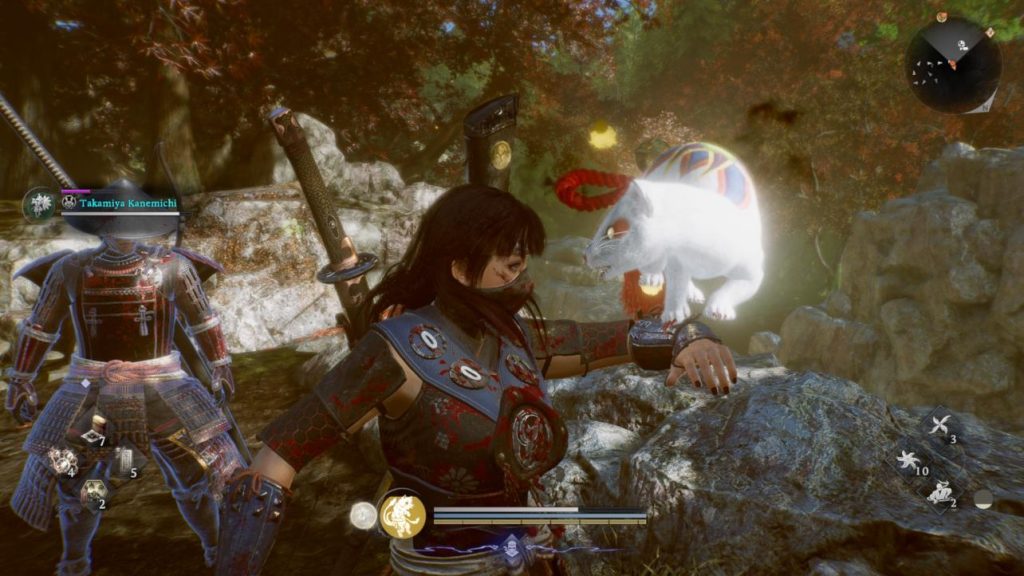
Enemy Camps are something you’ll stumble upon every once in a while, and they usually contain a nice treasure chest with some cool upgrades upon clearing out all of the enemies. Lesser Crucibles often block off shortcuts and can be destroyed by entering them and facing a few waves of enemies. This can then be broken by Takechiyo and will usually open up shortcuts or small optional areas with some nice items.
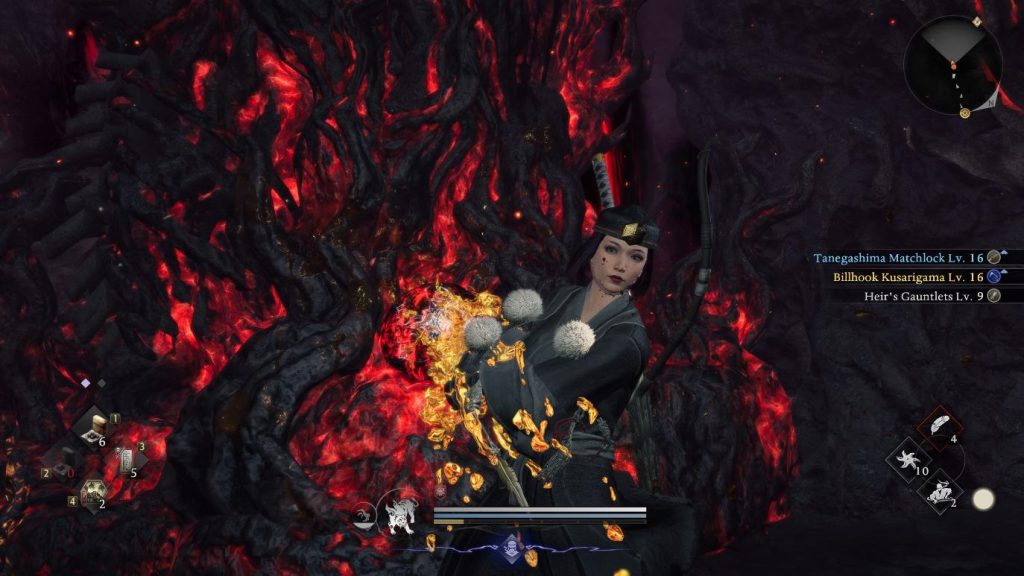
In the opening few hours, you’ll unlock an area separate from the main map called the Eternal rift which acts as a sort of hub world for Takechiyo and will gain more features as the game progresses. In the Eternal Rift, you’ll find a shop for trading items, a blacksmith for upgrading or crafting new weapons and even a mirror that will let you change your appearance at anytime. From here, you can choose to go on ‘missions’, which are essentially chunks of the story you have already completed. Clearing these missions will unlock special equipment and even make certain skill tree options unlock to learn new attacks and moves.
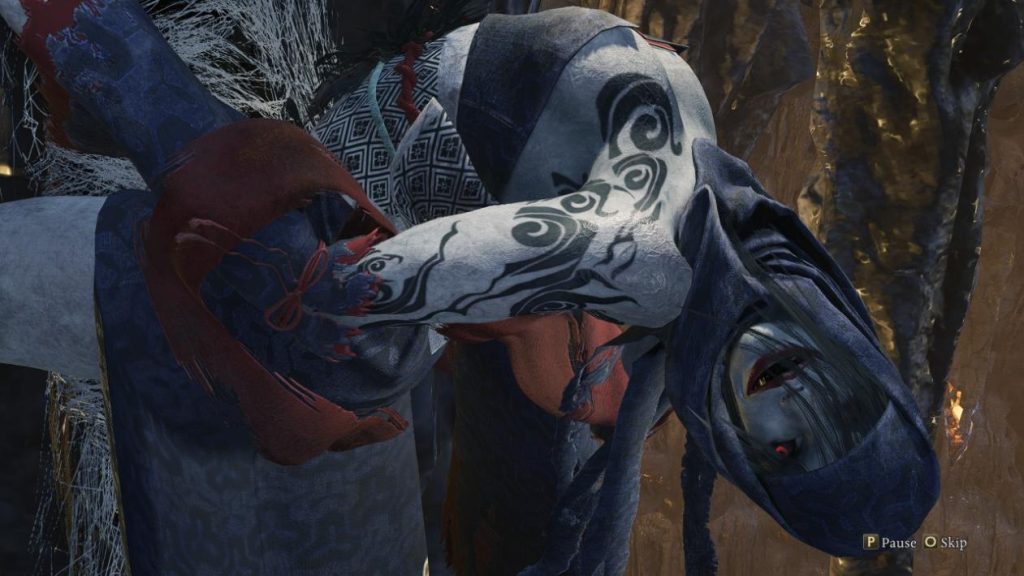
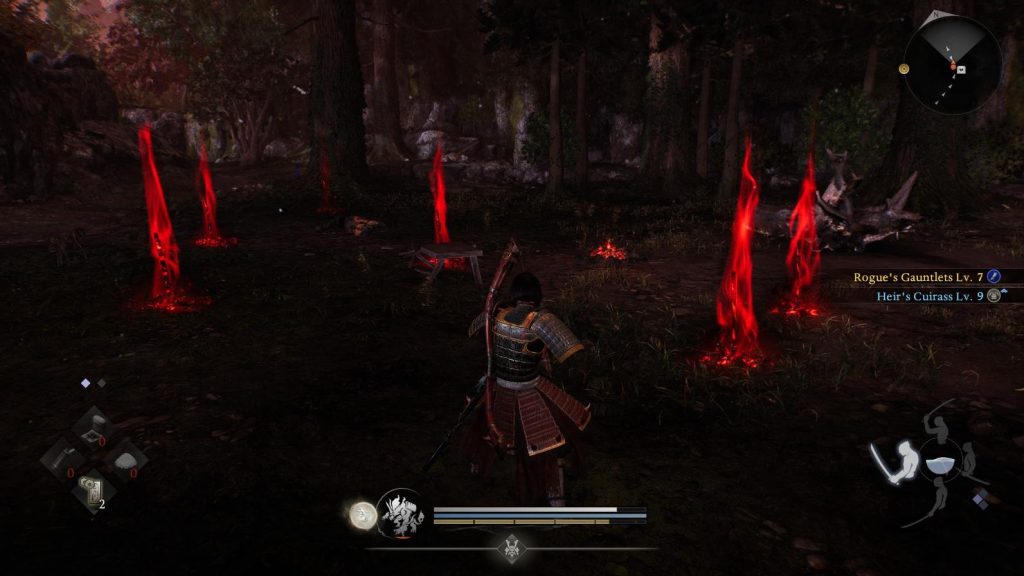
In terms of the main story, there’s always a big marker on the world map letting you know where to go if you begin to tire of Nioh 3’s abundant side content and want to progress the Story missions. The Main stories missions usually culminate in fighting a large boss yokai, which can prove quite challenging, and there was more than one boss that I had to attempt numerous times to finally beat them. Thankfully, like the other Nioh games, the Graves system makes a return, allowing you to summon a companion from a blue benevolent grave to help tackle those particularly tough bosses. To summon a companion, you’ll need to offer an Ochoko Cup or two, which is rewarded for beating revenants which can be challenged from Red Bloody Graves, which just happen to be other players who have perished in that spot. It’s actually good practice to brace yourself for trouble if you spot a large number of Bloody Graves up ahead.
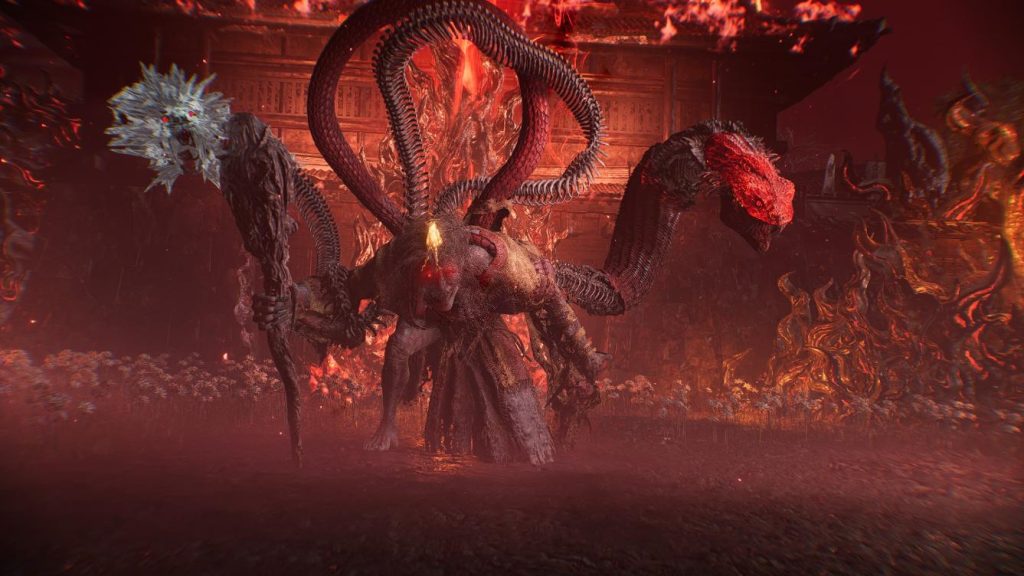
While I found the bosses enjoyable, only a few of them stood out as being particularly unique, and I wish we had a little more vareity but perhaps there’s some nice designs being saved for the game’s DLC.
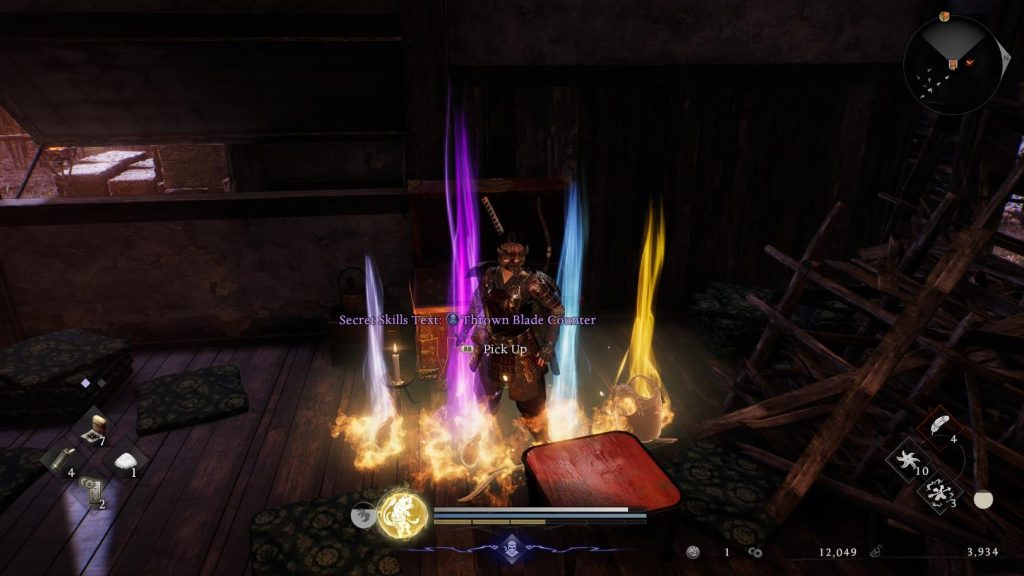
Sadly, it isn’t all sunshine and cherry blossoms. One of the biggest problems I found with Nioh 3 is the sheer amount of weapons and armour pieces you acquire while running through the game. There were certain areas of the game where each enemy was dropping multiple items upon defeat. Each item dropped has a rarity level denoted by its coloured Aura; you can think of it as a similar style loot system to say Diablo 4 or even the Borderlands series. While I love getting new loot, especially if it’s a more powerful weapon, I found the constant checking of my inventory a little exhausting, with much of the equipment being very incremental in stats, making what should be an enjoyable experience more of a chore.
Performance (Minor rant ahead!)
Nioh 3 has been a complete mixed bag for me in terms of performance. The game is quite ‘heavy’, especially on your CPU, but there’s a ton of options, including DLSS, FSR, Frame generation, etc., to help with any issues. The game ran like a dream for me for the first 10 or so hours until I entered the first Crucible area, from there I had the game constantly crash on me with an error message saying I had run out of VRAM, along with a few other general error messages indicating a memory issue.
Before the crashing started, I was getting a nice, stable framerate at 1440p with high settings enabled. The visuals menu even has a VRAM usage counter, and I never went above 12gb or so, so I was quite shocked by the sudden nose-dive in performance.
In my system, I’ve got 64GB of RAM, and my GPU has 24GB of VRAM, so this error was driving me insane and worse of all, it kept crashing just after I beat the boss of Crucible, and sadly would load me back just before the fight after crashing. This was hell. I beat that boss at least five times.
I decided to give the game a go on my Linux installation on the same machine, as I was shocked to see the game running at locked framerate with ZERO crashing! I switched back to Windows and let it manage my virtual memory, and now I can play the game as intended, although I still get a memory error when closing the game.
I thought I would try to run Nioh 3 on the Steam Deck, and I did get it running, although I was only getting 20fps which was as expected with terrible image quality. I tried to launch it once again to capture a screenshot to put here, but it wouldn’t launch and gave me a pretty generic error message. I think it’s safe to say Nioh 3 is not playable on the Deck.
Apart from the crashing, the only other bugs I encountered were with the enemies AI occasionally going a bit wonky with them just staying perfectly still (this happened only twice in 45 hours), and another more frequent bug was sometimes the characters spoken dialogue would throw out the odd line in Japanese even though English was selected.
Conclusion
Nioh 3 is a confident, massive evolution for the series. By trading linear corridors for lush “Open Fields” and introducing the dual Samurai/Ninja combat system, Team Ninja has crafted a game that feels both more accessible to newcomers and more complex for veterans.
While the story is nothing to write home about, and the overabundance of loot slows the pace somewhat, the classic Soulslike loop is there. Nioh 3 really nails that “just one more boss” feeling that only a skillfully crafted Soulslike can provide. Whether you are a series veteran or a newcomer, Nioh 3 is well worth the struggle
8.5
Steam review code kindly provided by Koei Tecmo