
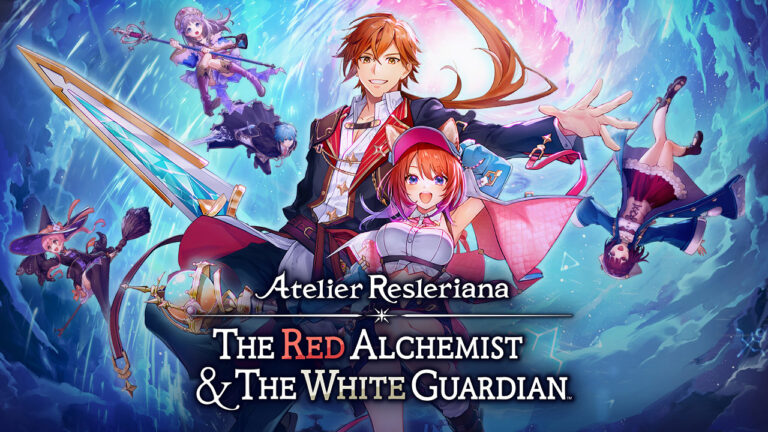
Atelier Resleriana: The Red Alchemist & The White Guardian Review
In an interesting move for the series, Atelier Resleriana: The Red Alchemist & the White Guardian is a spin-off game from the mobile-exclusive Atelier Resleriana: Forgotten Alchemy & the Liberator of Polar Night, released back in 2023. Koei Tecmo has done a great job of taking the core concepts, characters and world of the mobile game and turned them into a proper, fully-fledged new entry in the Atelier series.
Upon hearing the announcement of Atelier Resleriana: The Red Alchemist & the White Guardian, I was a little concerned that it was going to be a mere asset flip of the mobile game with all the gacha mechanics taken out, but to my surprise, this is very much its own game, with the character of Resleriana only making a brief, albeit important, appearance in the games story.
Story
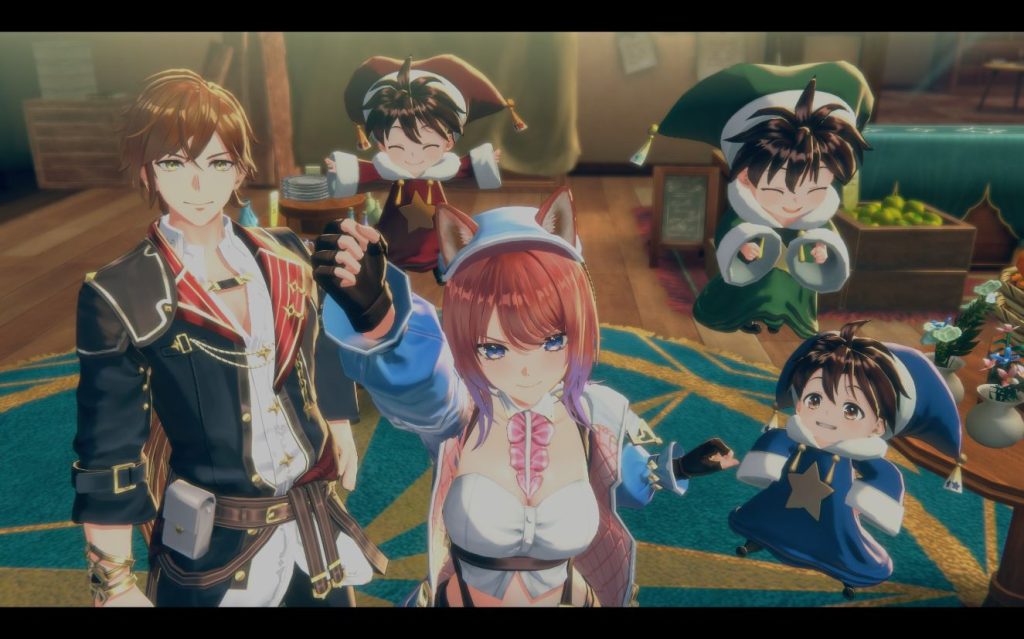
Starting your playthrough, you’ll decide which one of the game’s dual protagonists you’ll choose to play as: Rias, who is much more raucous and prone to getting in trouble or Slade, a calmer and contemplative character with a much more stoic demeanour. Personally, I went with Rias as she has cat ears. Besides, it feels wrong to play an Atelier game with a male protagonist. However, it’s not as jarring as the character-switching shenanigans in the previous Escha & Logy, as both Rias and Slade control and play very similarly, for the most part.

The game starts near Hallfein, a once-bustling town reduced to a husk of its previous glory. 12 years ago, a mysterious red mist engulfed the town, causing a ton of monsters to appear and damaging the town, and unfortunately, even some of the townsfolk. Rias is exploring an off-limits ruin, filled with monsters, when she stumbles upon the hidden entrance to an old Alchemist’s Atelier. Rias bumps into Slade, and they decide to team up and check out the Atelier. Inside the Atelier, it becomes apparent that Slade happens to be carrying a family heirloom, the Geist Core, which can open up paths to other dimensions from within the Atelier.
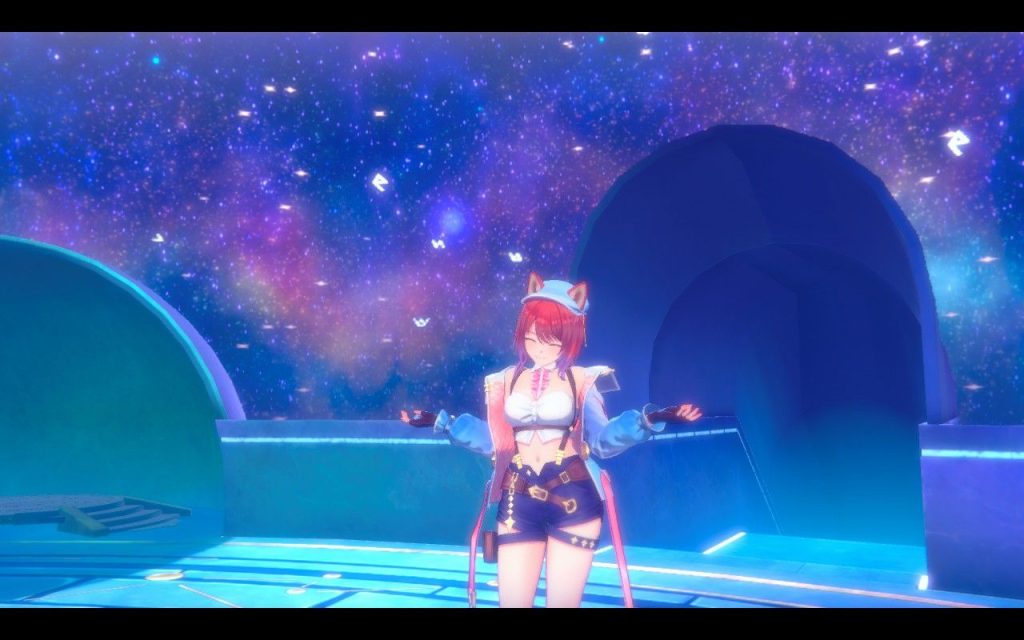
After deciding to explore one of these dimensional paths, Rias learns that she’s a natural with the long-forgotten art of Alchemy. The rest of the story revolves around Rias and Slade using their abilities to help rebuild the town of Hallfein, bumping into other Alchemists via the dimensional paths and unravelling the mystery of the red mist.
Gameplay
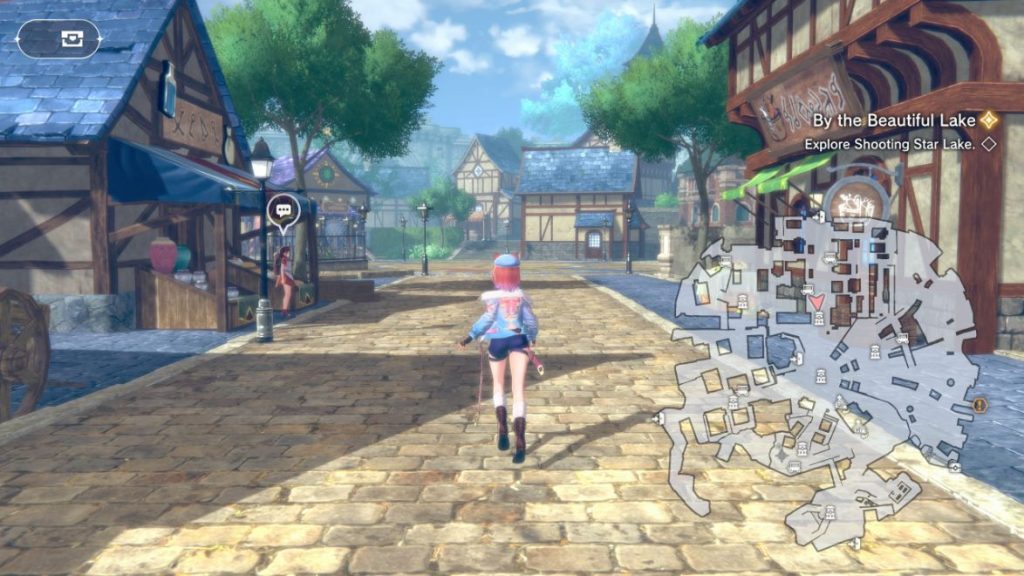
The core gameplay feels like one of the older Atelier games; gone are the vast open worlds featured in Atelier Yumia or Ryza 3, and the game instead takes an approach similar to, say, Atelier Sophie, with the world still being quite vast but segmented.
As expected from an Atelier game, there’s a ton of systems to get into. First up is the exploration, as you move across each map, there are tons of materials to gather, trees to chop down and, of course, monsters to fight. While exploring, you will come across inaccessible areas of the map. This is where the character switching comes into play. Slade can use his Geist Core to break down walls blocking paths, whereas Rias can use her wind whip to swing and grapple across to out-of-reach areas. As you progress the story, you’ll unlock higher-level abilities allowing access to even of more of the maps, which makes for a nice sense of progression as each area always has a few additional secrets and gear worth coming back for.
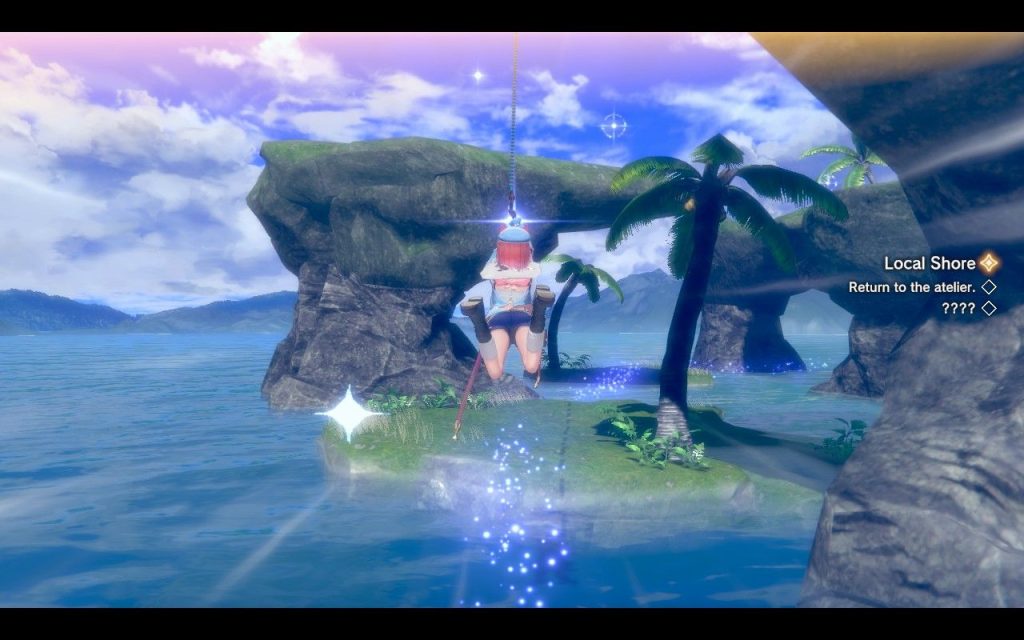
You can also explore the Dimensional Paths, which have unique monsters and materials to gather. These are usually in the form of a maze with a boss at the end. While exploring these paths, you’ll come across some fairies. These little guys will help you out back at the Atelier and even aid in the restoration of Hallfein, provided you give them enough money or Cole, as it’s known in the Atelier series.
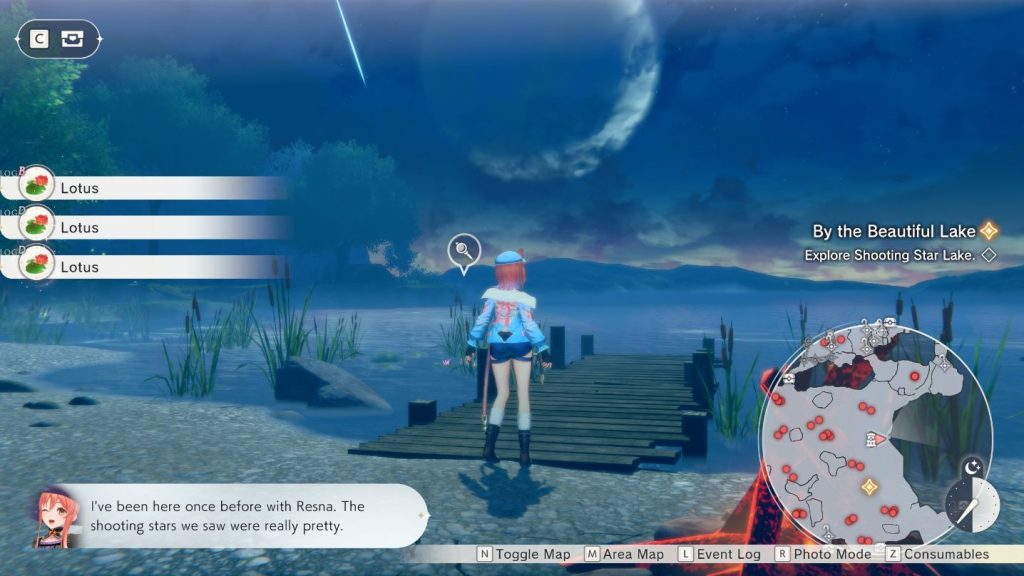
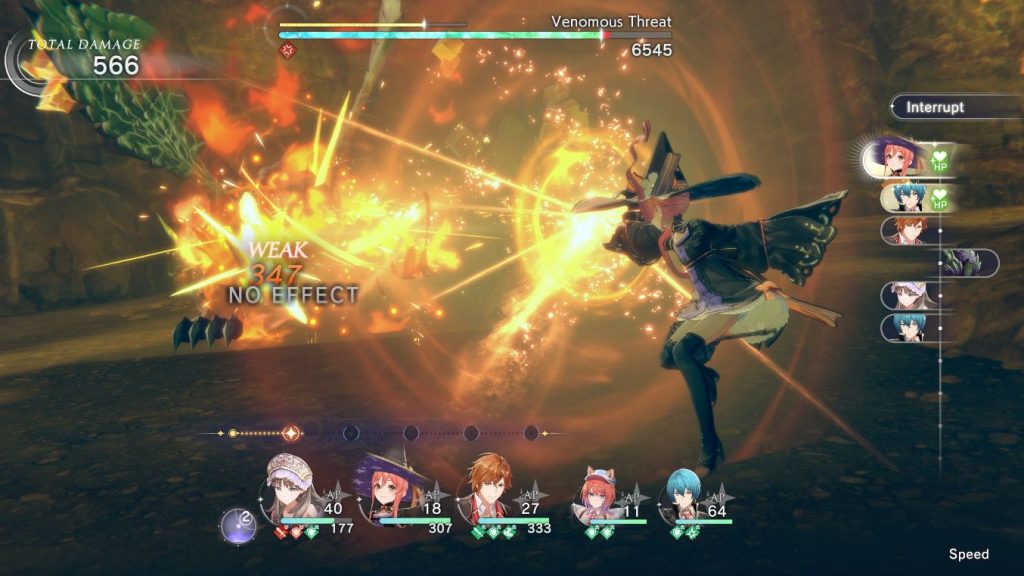
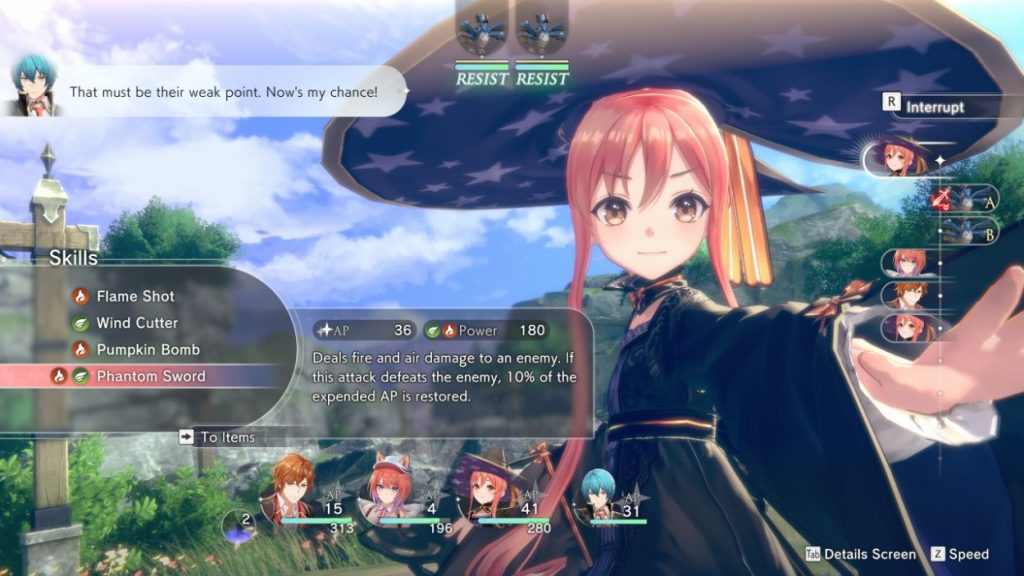
The battle system plays it pretty safe this time around, going back to a proper, slower turn-based system instead of the fast and frantic systems seen in Ryza 3 & Yumia. You’ll eventually have a total of 6 party members, and they act a little bit like the characters do in Final Fantasy X, with three characters in the front row and three in the back. You can tag in and out who you want at any time, providing it’s that character’s turn.
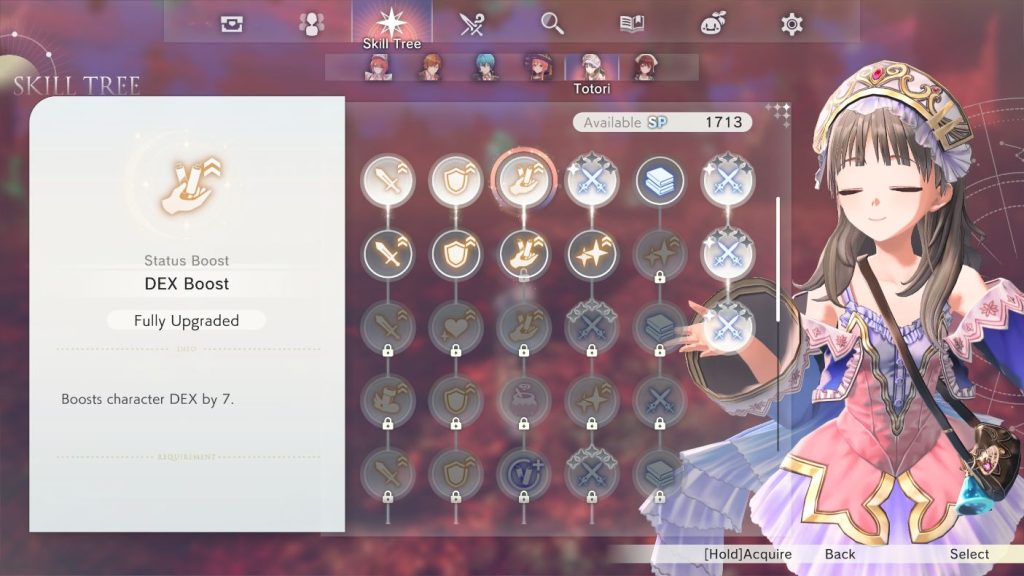
Along with traditional levelling up, skills are unlocked via SP awarded after battles. The SP pool is shared between all party members, which, on first glance, I hated, but I soon realised SP wasn’t particularly hard to come by, and it forced me to level up each somewhat uniformly.
While exploring through the game, you’ll frequently run into ‘Wanderers’, fellow travellers like yourself, with pretty much all of them being familiar faces from the Atelier series. The first you bump into is Ayehsa, shortly followed by the game’s namesake, Resleriana, who teaches Rias the fundamentals of alchemy. As the story progresses, you’ll meet a ton of familiar faces, which is a lot of fun if you are a series veteran, although I’m guessing this wouldn’t be as impactful if you haven’t played the series before.
A lot of the wanderers you’ll meet will usually impart some knowledge to Rias to help with her alchemy studies, and a few of them even join the group, becoming proper party members.
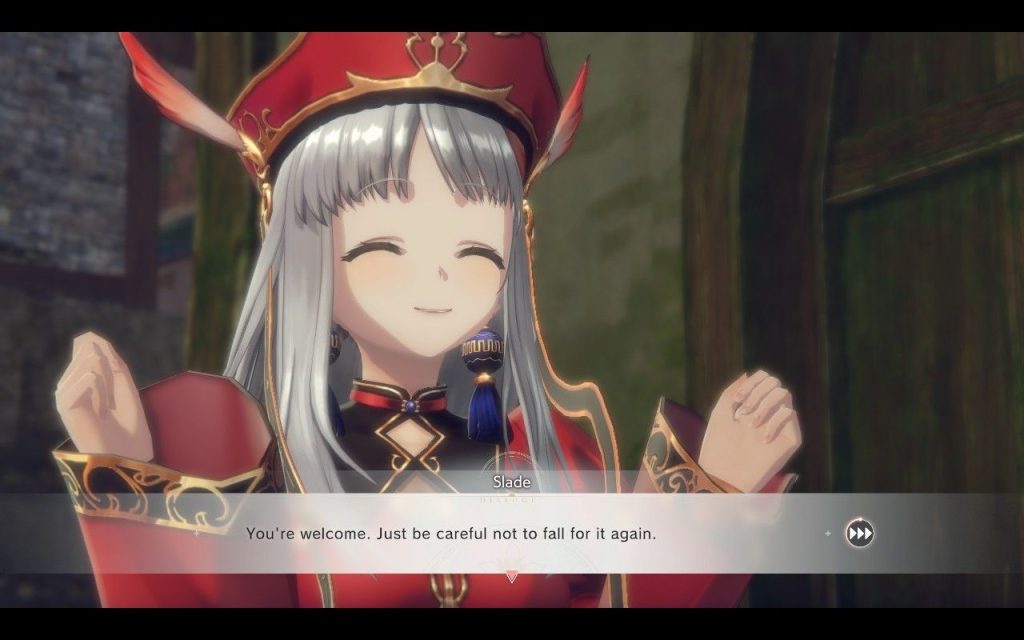
To give you an idea of how many characters you’ll come across, I’ll name a few off the top of my head: Ayesha, Resleriana, Mu, Elie, Raze, Sophie, Ryza, Viorate, Shallie, Logy, Totori, Judie, Klaudia and many, many more. It’s really great being able to see a lot of these character designs in the style of the recent Atelier games.

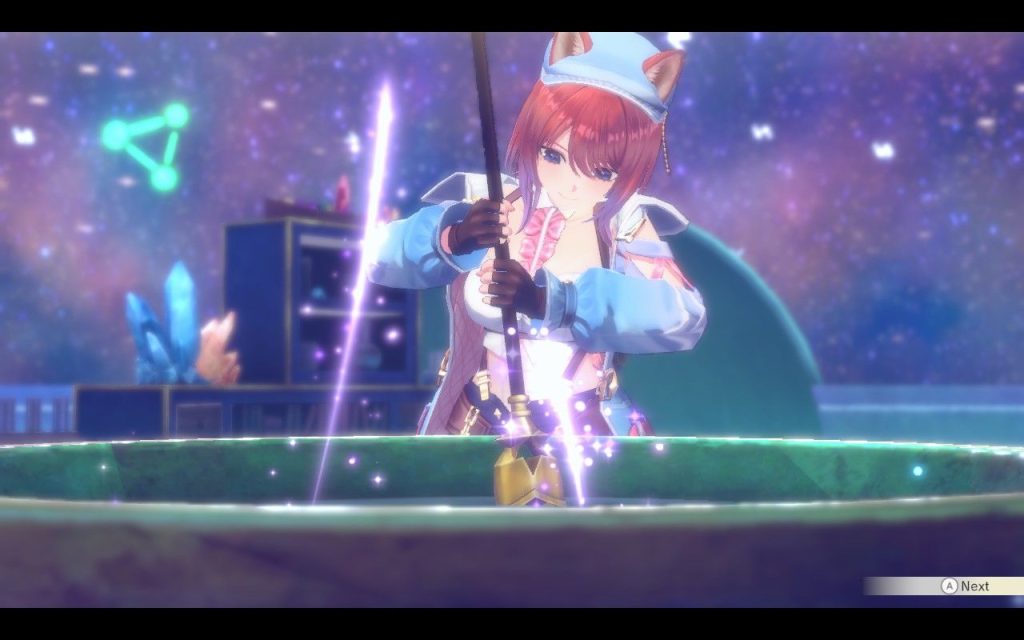
The Alchemy system has had an overhaul, and it might just be my favourite iteration yet. There are no esoteric grid systems to worry about this time around, and items are made simply by combining four items. I say ‘simply’, but in truth, there’s a lot more to it. Each ingredient has two colours from left and right, and the idea is to chain them together. The longer your chain, the better bonuses the finished product will get.
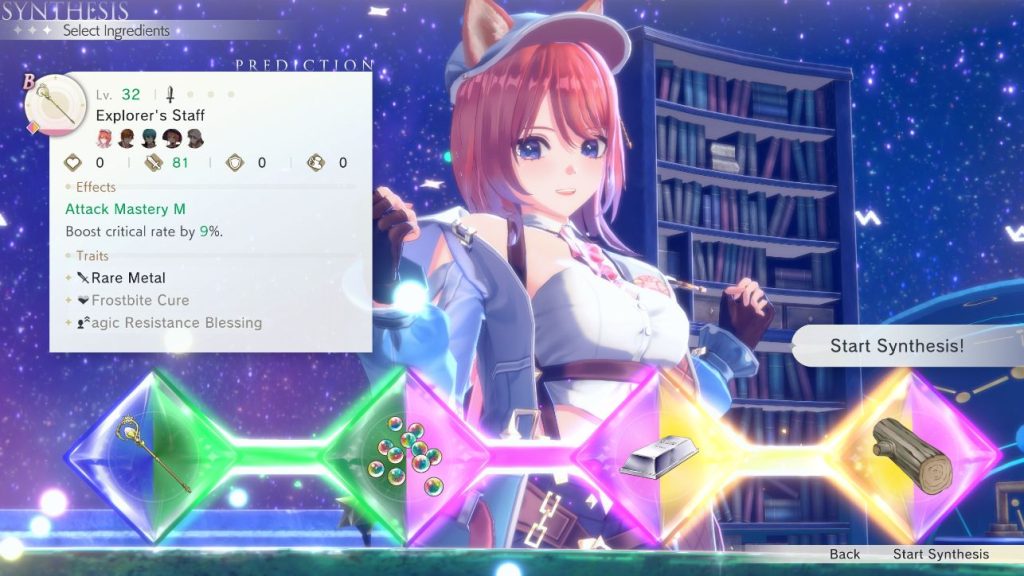
Like other Atelier games, you’ll eventually unlock item transformation and reworking directly from your Atelier, which is too much to go into here, but it is very good and quite addictive once you get the hang of it.
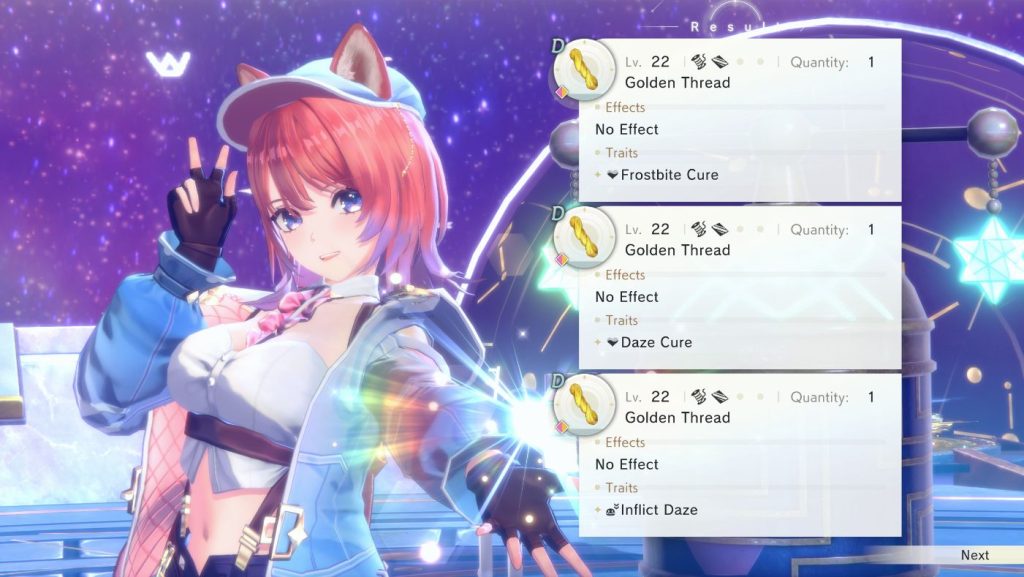
A very welcome addition to the Atelier is the Fairy helpers you’ve been rescuing while exploring the dimensional paths. There’s one fairy in particular who straight-up lets you duplicate a finished item, for a fee, of course. I would have killed for this feature in some of the previous entries, as it saves so much time.
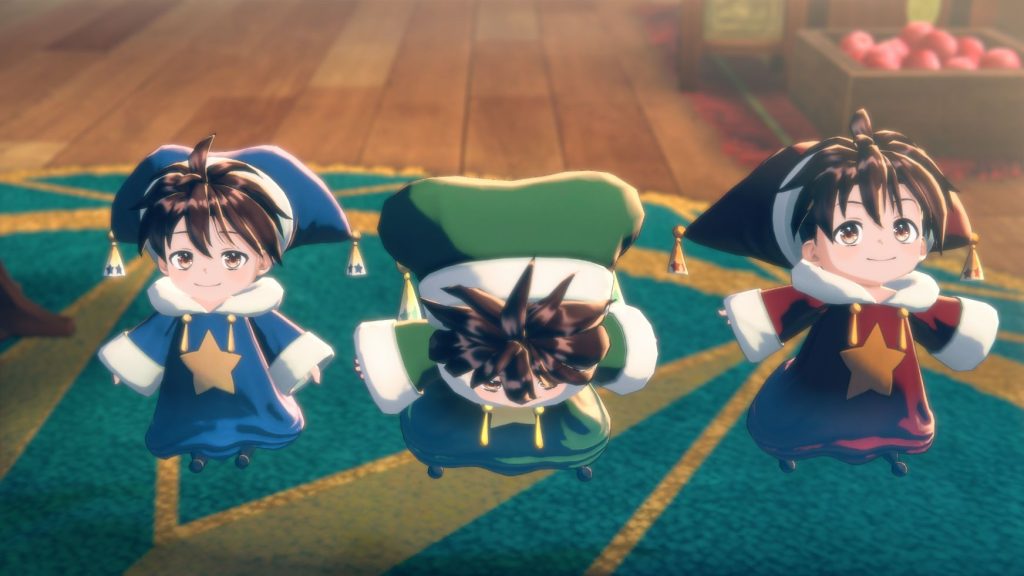
Speaking of money, Rias has inherited a shop from her grandfather called Misteltoe Miscellaneous, where you can sell your crafted items for additional Cole. To help you sell your items, you’ll be enlisting the help of the fairies once more.
The shopkeeping is far more in-depth than I ever could have imagined, with different fairies having their own unique skills and even having the ability to decorate the shop, all of which will have a small contributing effect towards how much money you take in.
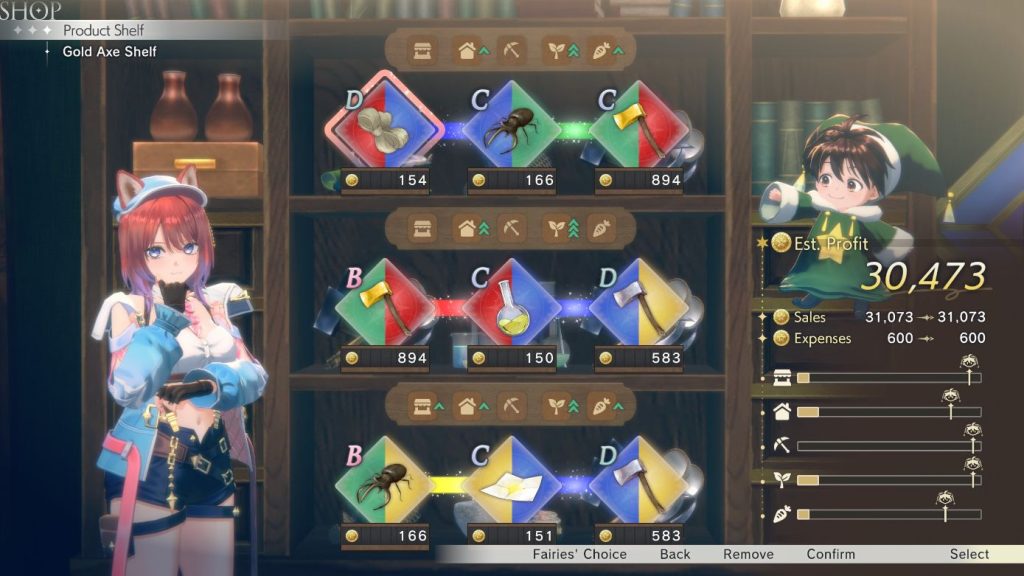
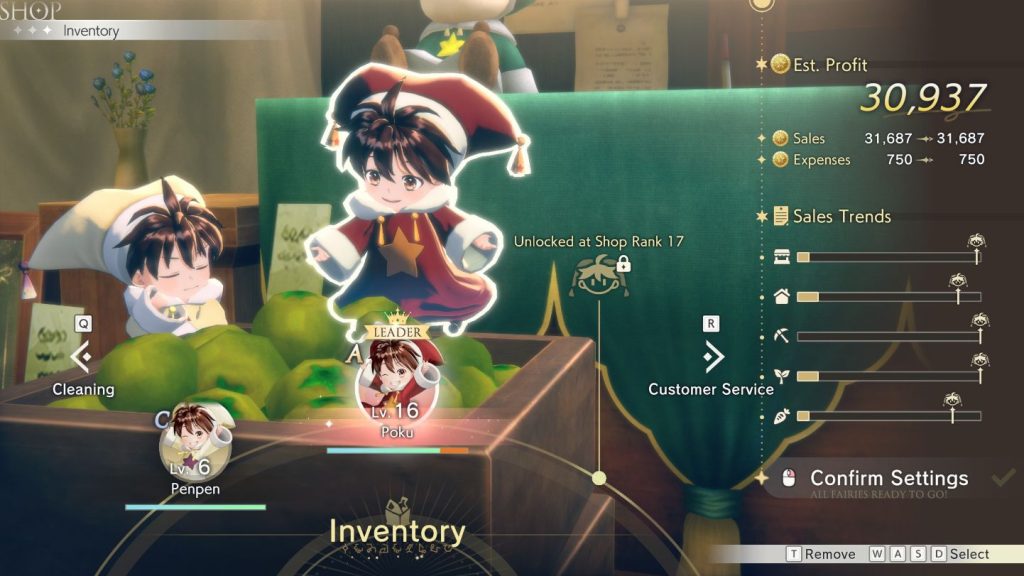
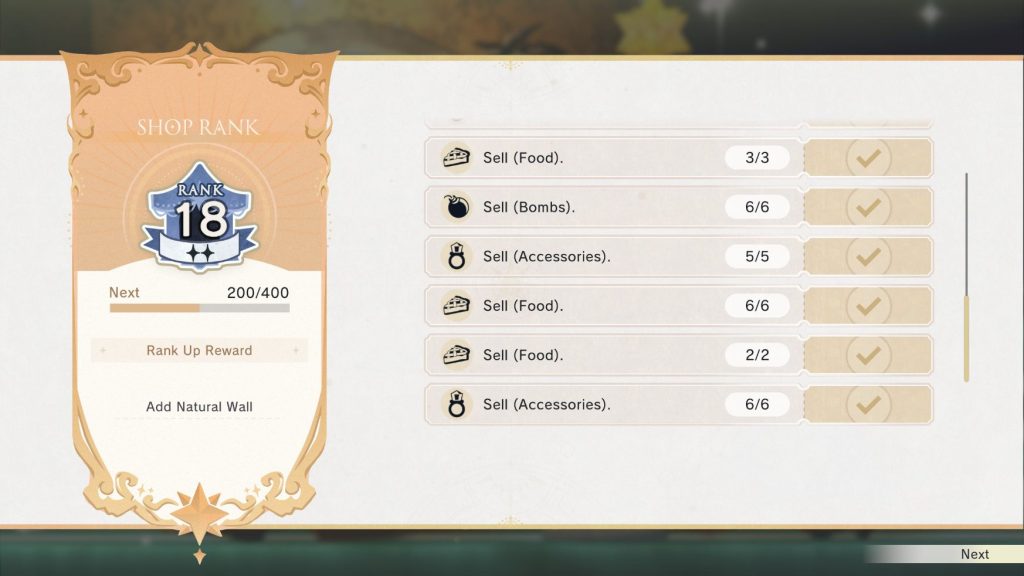
As you sell more items, you’ll rank up not only the shop, but the whole town. The town starts off in a pretty dire state, but by the end of the game, you’ll have a very busy place with plenty of merchants and familiar faces.
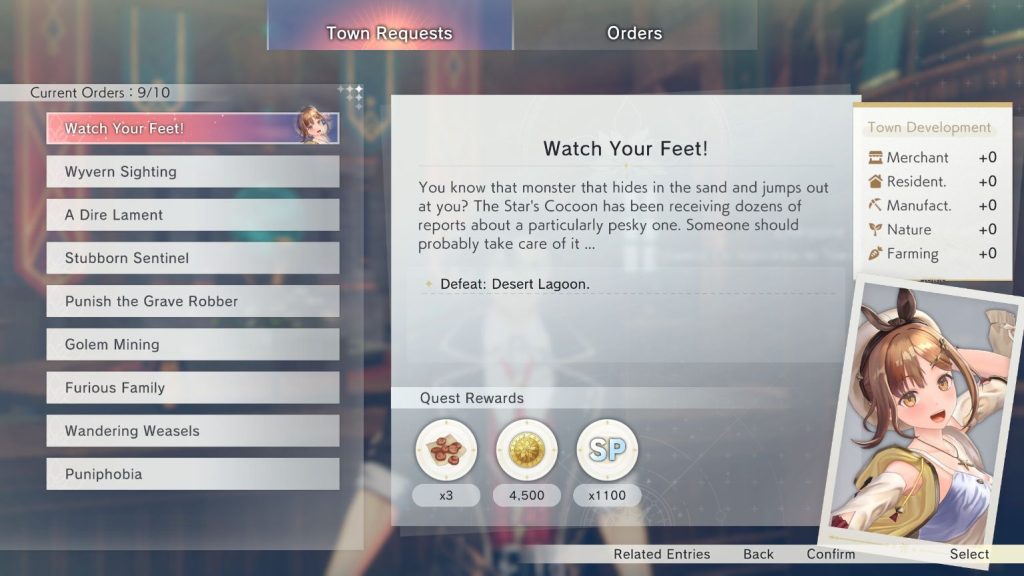
If you get bored with the shopkeeping and alchemy, you can choose to take on a wide range of requests. These can be taken from the townsfolk of Hallfein, which will net you items, materials and Cole. These requests will also add additional points towards the town’s restoration and award a nice amount of SP, so they are really worth paying attention to. They are usually as simple as defeating a certain number of monsters or delivering particular items, but sometimes they involve taking down a boss, which will award a larger amount of SP than usual.
There are also additional quests you can take with Party members, known as Episodes. These will deepen your bond with that character and provide a little bit of additional story content, along with opening up parts of their skill trees, so these are well worth completing.
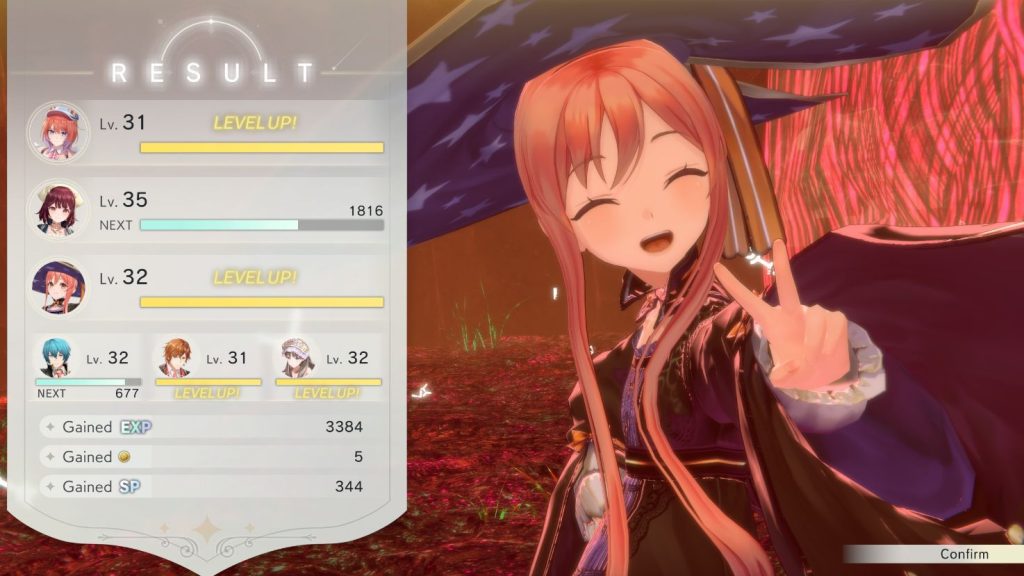
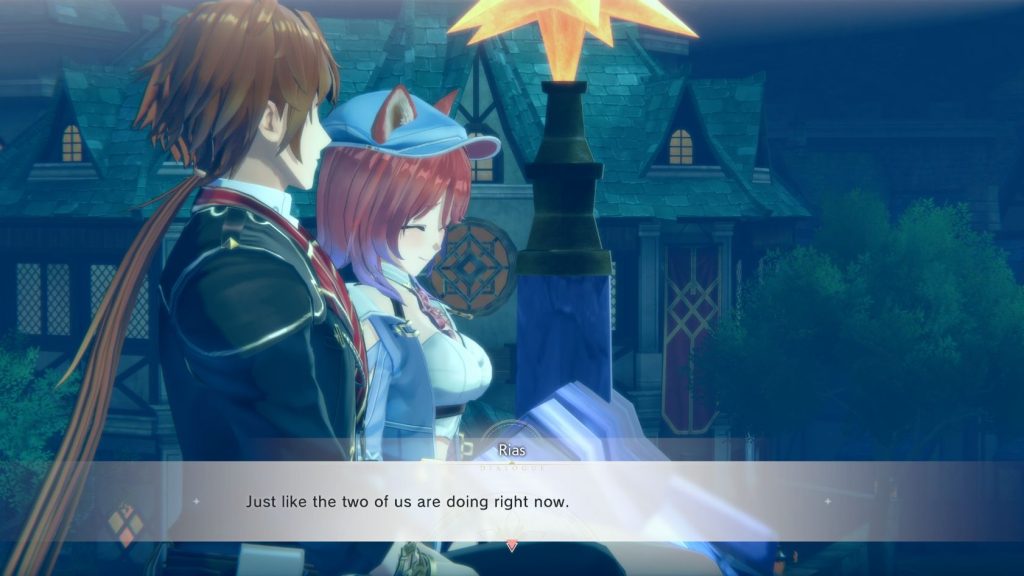
In terms of presentation, Atelier Reslieriana: The Red Alchemist & the White Guardian looks great! The character designs are fantastic, and the whole game feels a lot more lively and vibrant when compared to Atelier Yumia. There’s just a lot more colour in the world, and as I said earlier, it’s really cool to see some of these old characters looking the best they ever have.
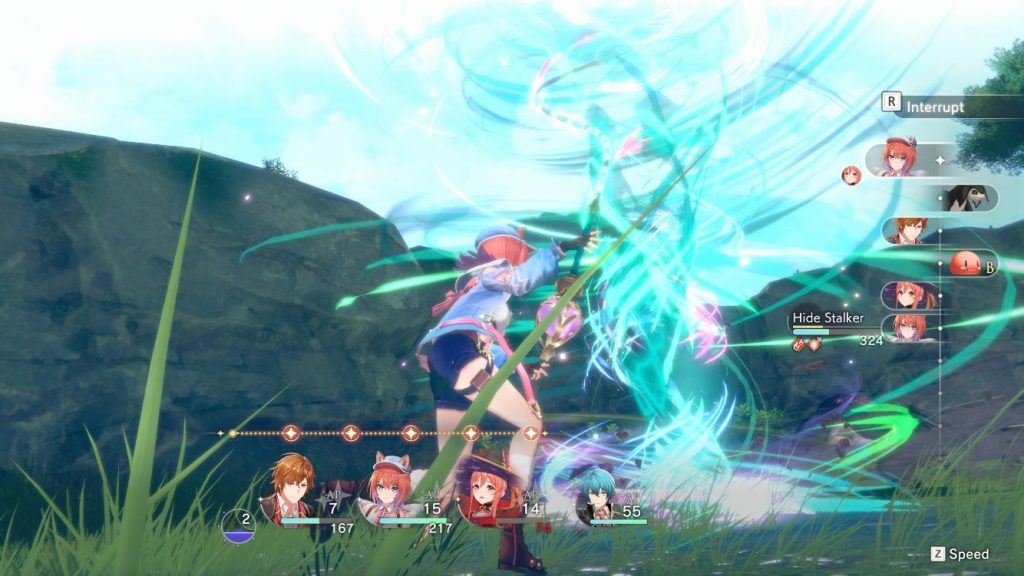
The music is great, and there’s a fair amount of voice acting here, although, as expected, it’s in Japanese. The voice performances are great, and it’s a lot of fun to see old voice actors reprising their roles. The only small gripe I have with the dialogue is the chatter between party members while exploring; it’s translated to English in dialogue boxes on the side, which take up a fair chunk of the screen. This is fine and all, but it’s nearly impossible to be able to read the dialogue boxes while avoiding enemies, and I’m afraid some may lose a little context if they do not have a basic understanding of the Japanese language.
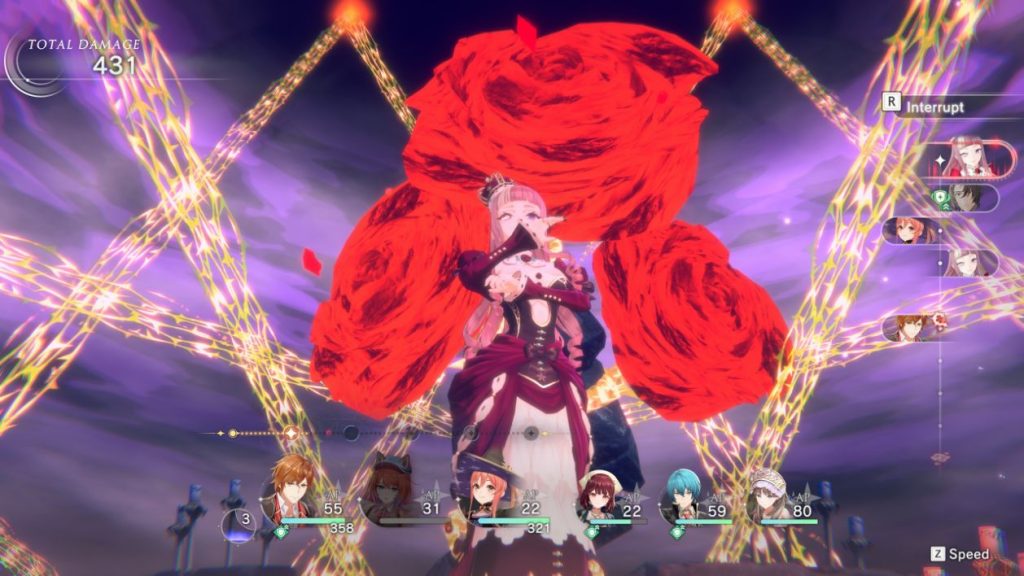
In terms of difficulty, I found the game to be a little bit on the easy side and pretty much steamrolled my way through the game’s first 6 chapters until I reached a certain boss fight that was like a brick wall. I had to go and craft all new equipment for the party, along with grinding some additional SP. After this certain end-of-chapter fight was over, the difficulty took a step back once again. Upon completing the game, you unlock New Game+ along with extra-tough Charismatic difficulty.
I’m pleased to report that Atelier Resleriana: The Red Alchemist & the White Guardian plays great on the Steam Deck. I spent most of my time on the Deck and I was getting over 70fps in Hallfein and dungeons with the default settings, although some of the dimensional paths tanked my frame rate to the mid-40s. I tweaked a few settings and locked the frame rate at 60, and it mostly stuck to it. I’m guessing it would be possible to crank the settings up higher and lock the game at 30FPS, but I never tried it.
On PC, I was easily getting 144Hz 4K, and the game looked stunning. Throughout my entire playthrough, I only experienced one slight bug, where a UI element stayed on screen during a cutscene, but it was a one-off and I wasn’t able to replicate it when I reloaded my save.
All in all, this seems to be a pretty solid game technically and runs a lot better than Atelier Yumia or Ryza 3, perhaps due to its scaled-down environments.
Conclusion
Atelier Resleriana: The Red Alchemist & the White Guardian is a great spin-off title well worthy of the Atelier name. The back-to-basics approach for combat, a new and improved alchemy system, and seeing characters from across the Atelier and Mana Khemia series interact with each other are delightful and charming. Koei Tecmo really knocked it out of the park with this one, and I would highly recommend you pick up a copy, whether you are a series veteran or a newcomer, I’m sure you’ll have a blast!
9
Steam review code kindly provided by Koei Tecmo